


1. Waffen SS Panzer Division Liebstandart Adolph Hitler (LAH)
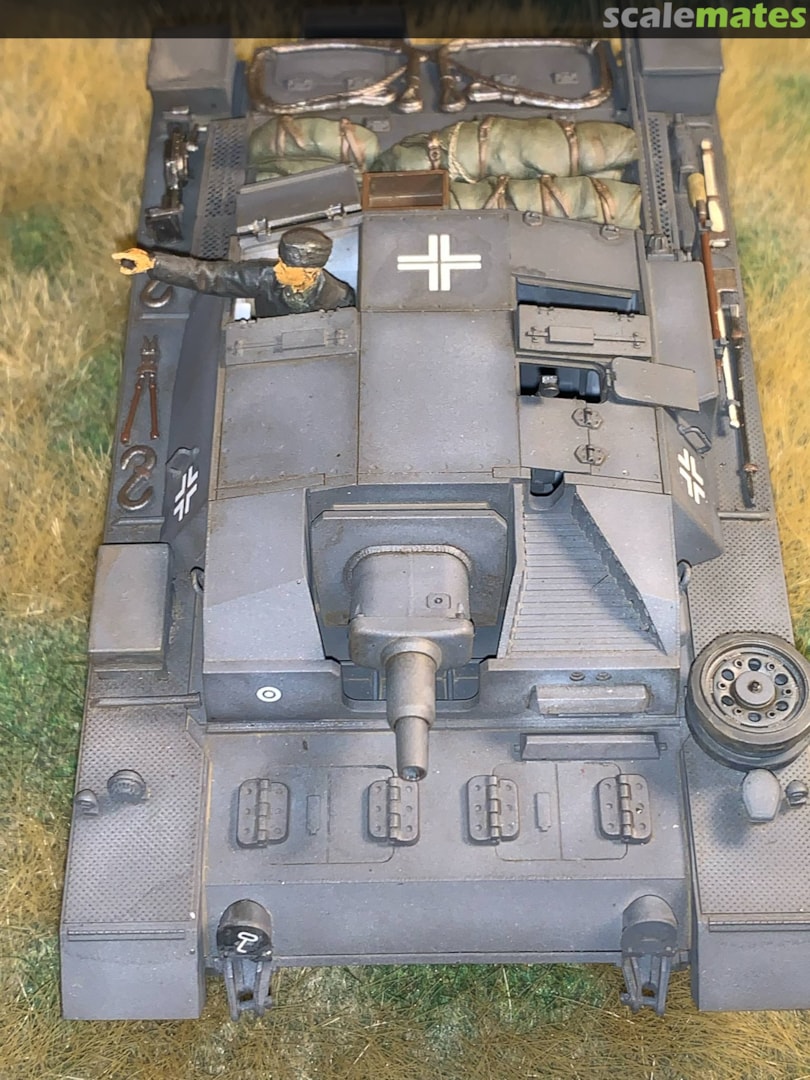
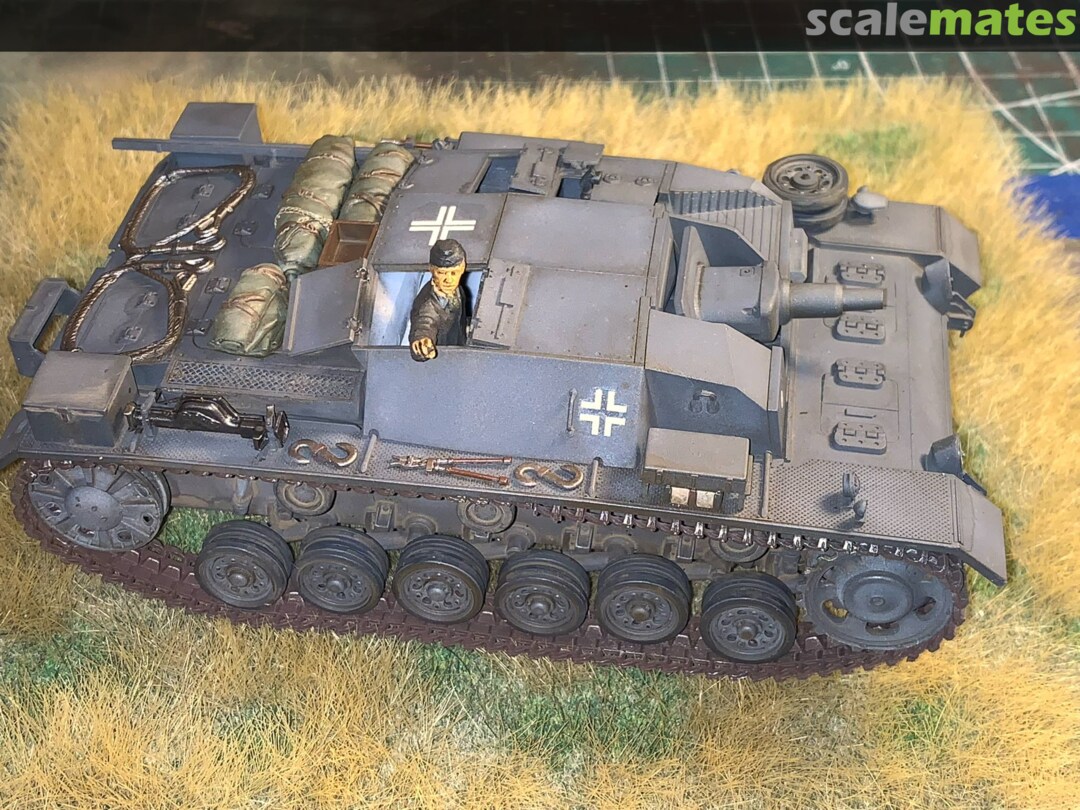
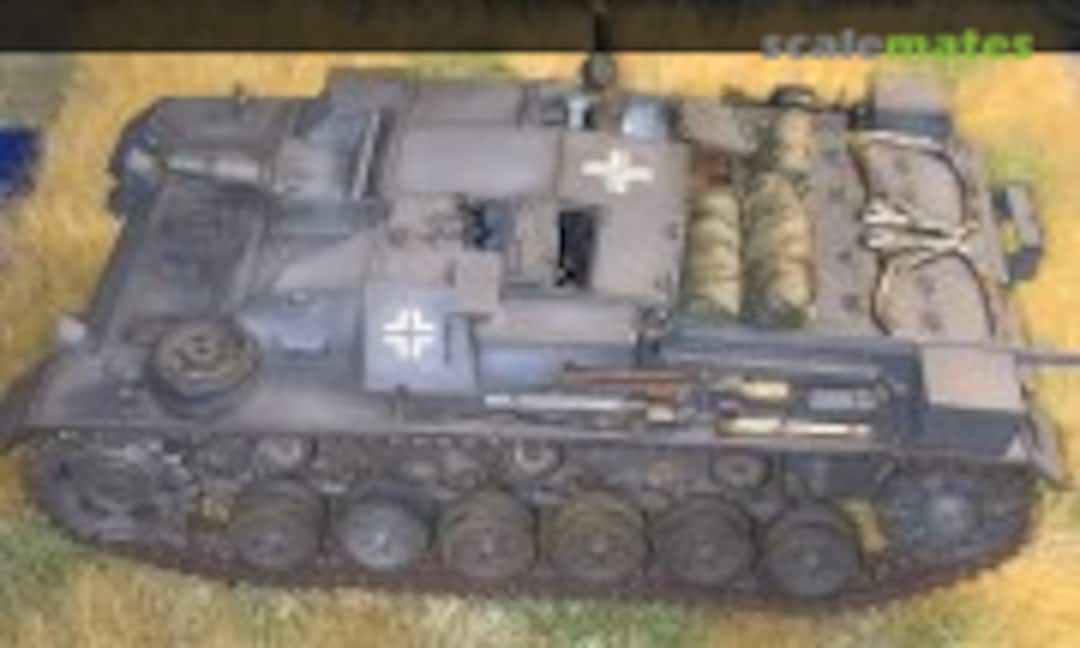 1August 8, 2025Sturmgeschutz III AusF B, Schoenberger Battalion, Eastern Front, 1941. The most powerful armored vehicles of the LAH in 1941 were the assault guns of the Schoenberger Battalion. The Sturmgeschutz came to be as a request for a mobile artillery vehicle to support infantry. The PzKw III hull was selected as the basis for the new assault gun armed with a 75mm L/24 light howitzer mounted in a casement with limited traverse and elevation. Upon its debut in France, 1940, the Sturmgeschutz proved to be very effective. It was well armored and had a low profile making it easy to conceal and more difficult to hit as well as less expensive to manufacture.
 2August 8, 2025Sturmgeschutz III AusF B, Schoenberger Battalion, Eastern Front, 1941. The most powerful armored vehicles of the LAH in 1941 were the assault guns of the Schoenberger Battalion. The Sturmgeschutz came to be as a request for a mobile artillery vehicle to support infantry. The PzKw III hull was selected as the basis for the new assault gun armed with a 75mm L/24 light howitzer mounted in a casement with limited traverse and elevation. Upon its debut in France, 1940, the Sturmgeschutz proved to be very effective. It was well armored and had a low profile making it easy to conceal and more difficult to hit as well as less expensive to manufacture.
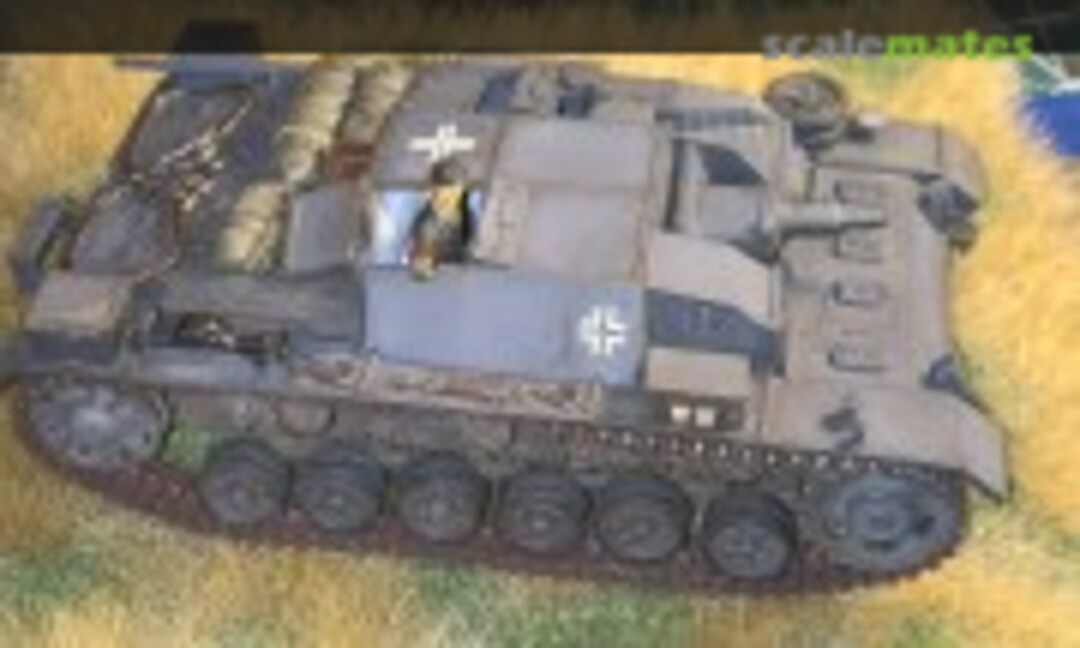 3August 8, 2025Sturmgeschutz III AusF B, Schoenberger Battalion, Eastern Front, 1941. The most powerful armored vehicles of the LAH in 1941 were the assault guns of the Schoenberger Battalion. The Sturmgeschutz came to be as a request for a mobile artillery vehicle to support infantry. The PzKw III hull was selected as the basis for the new assault gun armed with a 75mm L/24 light howitzer mounted in a casement with limited traverse and elevation. Upon its debut in France, 1940, the Sturmgeschutz proved to be very effective. It was well armored and had a low profile making it easy to conceal and more difficult to hit as well as less expensive to manufacture.
 4August 8, 2025Sturmgeschutz III AusF B, Schoenberger Battalion, Eastern Front, 1941. The most powerful armored vehicles of the LAH in 1941 were the assault guns of the Schoenberger Battalion. The Sturmgeschutz came to be as a request for a mobile artillery vehicle to support infantry. The PzKw III hull was selected as the basis for the new assault gun armed with a 75mm L/24 light howitzer mounted in a casement with limited traverse and elevation. Upon its debut in France, 1940, the Sturmgeschutz proved to be very effective. It was well armored and had a low profile making it easy to conceal and more difficult to hit as well as less expensive to manufacture.
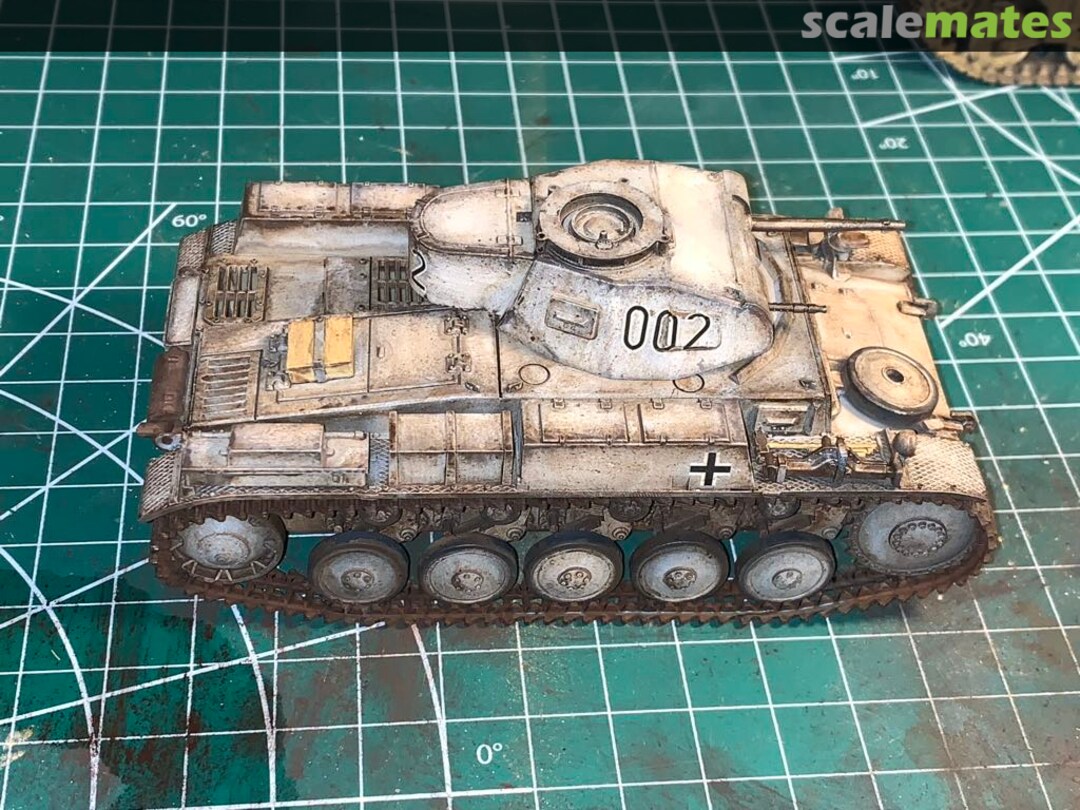
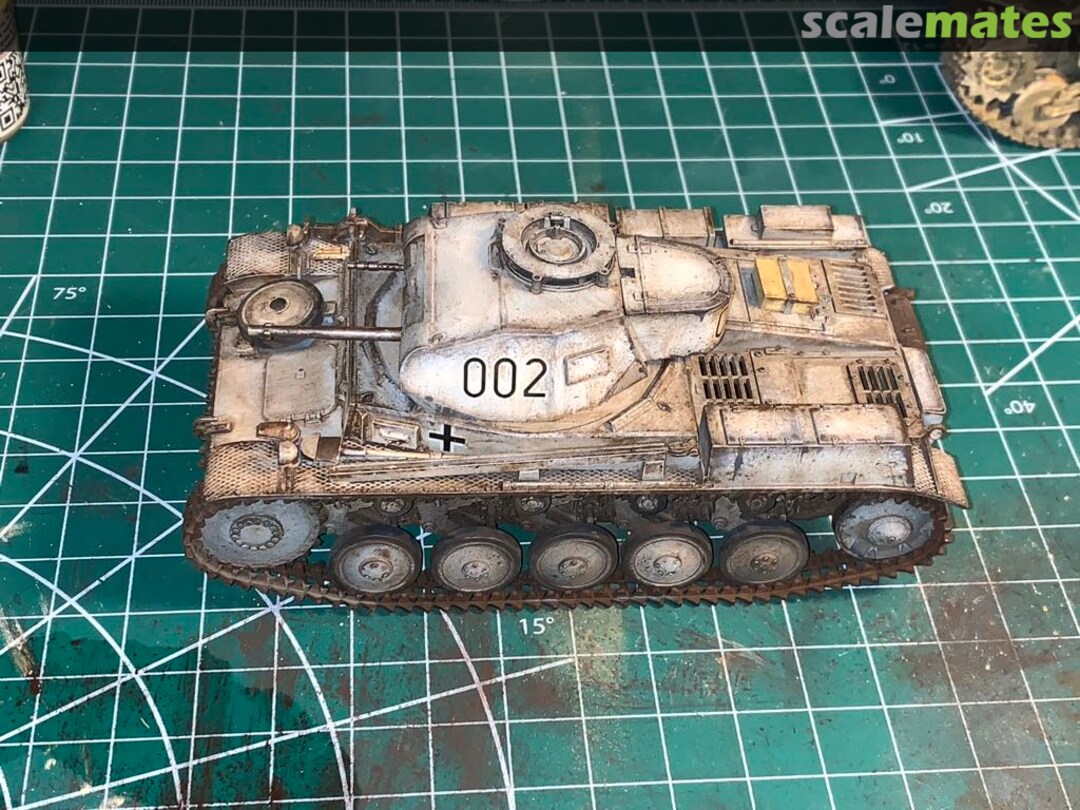
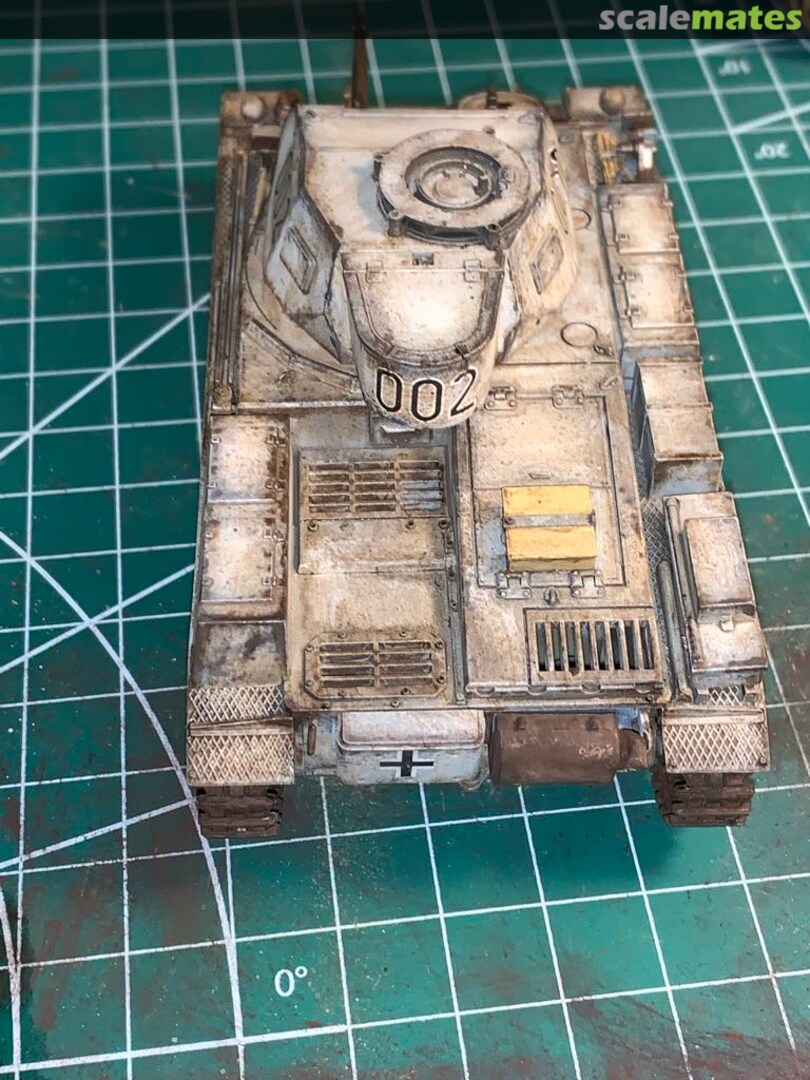
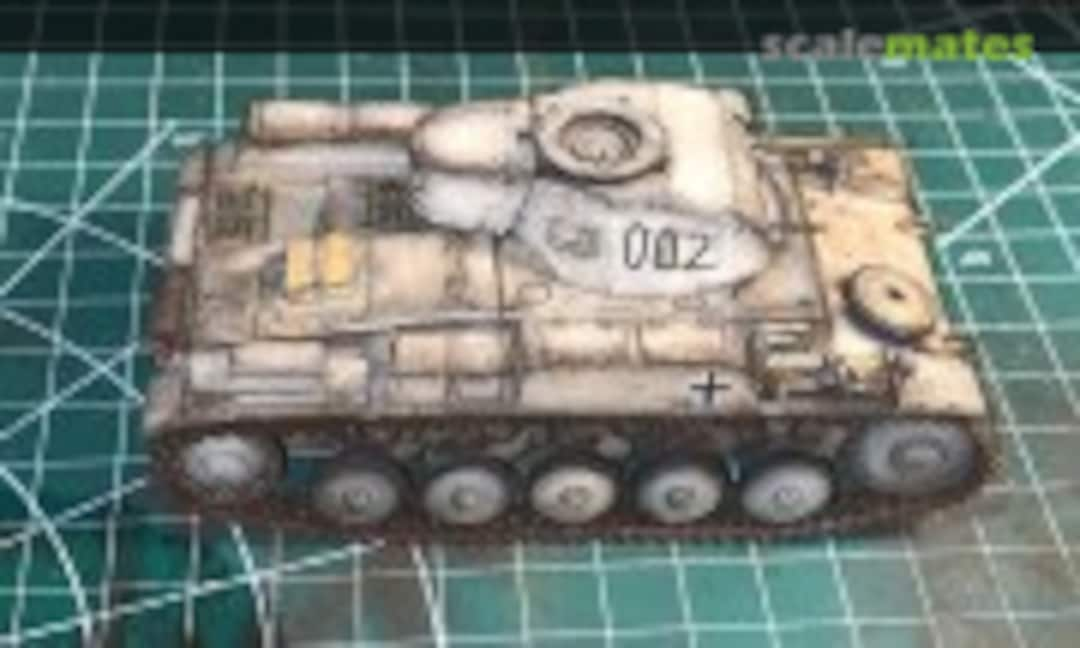 5May 26, 2025Pzkw II AusF F, Kharkov area, March 1943. (Tamiya Kit out of box + decals from spares)
By the Summer of 1940 production of the obsolete PzKw II (models A-E) was ceased. The remaining PzKw II's were relegated to more suitable tasks in combat such as security and recon. The Wehrmacht then began developments in new light tanks which would result in the PzKw II AusF J and L models in 1943. In the meantime, it was decided that the Army would need an interim production run to meet the needs of its expanding Panzer forces prior to the invasion of the USSR. This order resulted in the AusF F which was a rework of the C model. On the F model, the glacis plate was of one piece with false vision visors on the left side, commander cupola on the turret, and additional stowage boxes on the fenders. frontal armor was 30mm solid steel rather than applique as on the C. From March 1941 to July 1942, 509 AusF F were completed, and the hull would remain in production as a basis of the Marder II and Wespe SP guns until 1945.
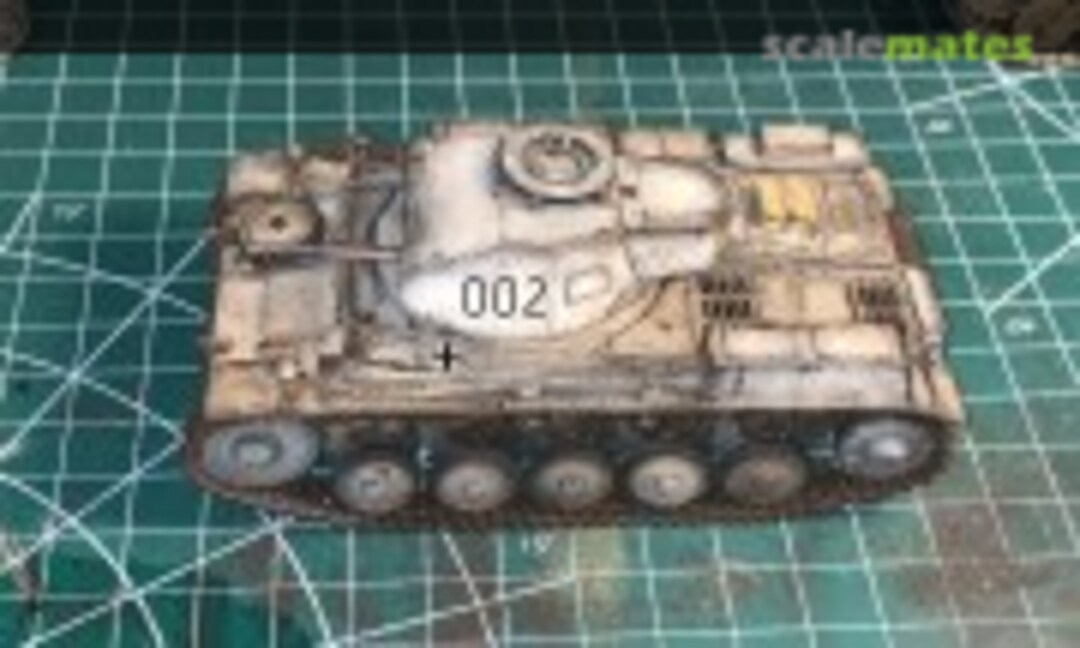 6May 26, 2025Pzkw II AusF F, Kharkov area, March 1943. (Tamiya Kit out of box + decals from spares)
By the Summer of 1940 production of the obsolete PzKw II (models A-E) was ceased. The remaining PzKw II's were relegated to more suitable tasks in combat such as security and recon. The Wehrmacht then began developments in new light tanks which would result in the PzKw II AusF J and L models in 1943. In the meantime, it was decided that the Army would need an interim production run to meet the needs of its expanding Panzer forces prior to the invasion of the USSR. This order resulted in the AusF F which was a rework of the C model. On the F model, the glacis plate was of one piece with false vision visors on the left side, commander cupola on the turret, and additional stowage boxes on the fenders. frontal armor was 30mm solid steel rather than applique as on the C. From March 1941 to July 1942, 509 AusF F were completed, and the hull would remain in production as a basis of the Marder II and Wespe SP guns until 1945.
 7May 26, 2025Pzkw II AusF F, Kharkov area, March 1943. (Tamiya Kit out of box + decals from spares)
By the Summer of 1940 production of the obsolete PzKw II (models A-E) was ceased. The remaining PzKw II's were relegated to more suitable tasks in combat such as security and recon. The Wehrmacht then began developments in new light tanks which would result in the PzKw II AusF J and L models in 1943. In the meantime, it was decided that the Army would need an interim production run to meet the needs of its expanding Panzer forces prior to the invasion of the USSR. This order resulted in the AusF F which was a rework of the C model. On the F model, the glacis plate was of one piece with false vision visors on the left side, commander cupola on the turret, and additional stowage boxes on the fenders. frontal armor was 30mm solid steel rather than applique as on the C. From March 1941 to July 1942, 509 AusF F were completed, and the hull would remain in production as a basis of the Marder II and Wespe SP guns until 1945.
 8May 26, 2025Pzkw II AusF F, Kharkov area, March 1943. (Tamiya Kit out of box + decals from spares)
By the Summer of 1940 production of the obsolete PzKw II (models A-E) was ceased. The remaining PzKw II's were relegated to more suitable tasks in combat such as security and recon. The Wehrmacht then began developments in new light tanks which would result in the PzKw II AusF J and L models in 1943. In the meantime, it was decided that the Army would need an interim production run to meet the needs of its expanding Panzer forces prior to the invasion of the USSR. This order resulted in the AusF F which was a rework of the C model. On the F model, the glacis plate was of one piece with false vision visors on the left side, commander cupola on the turret, and additional stowage boxes on the fenders. frontal armor was 30mm solid steel rather than applique as on the C. From March 1941 to July 1942, 509 AusF F were completed, and the hull would remain in production as a basis of the Marder II and Wespe SP guns until 1945.
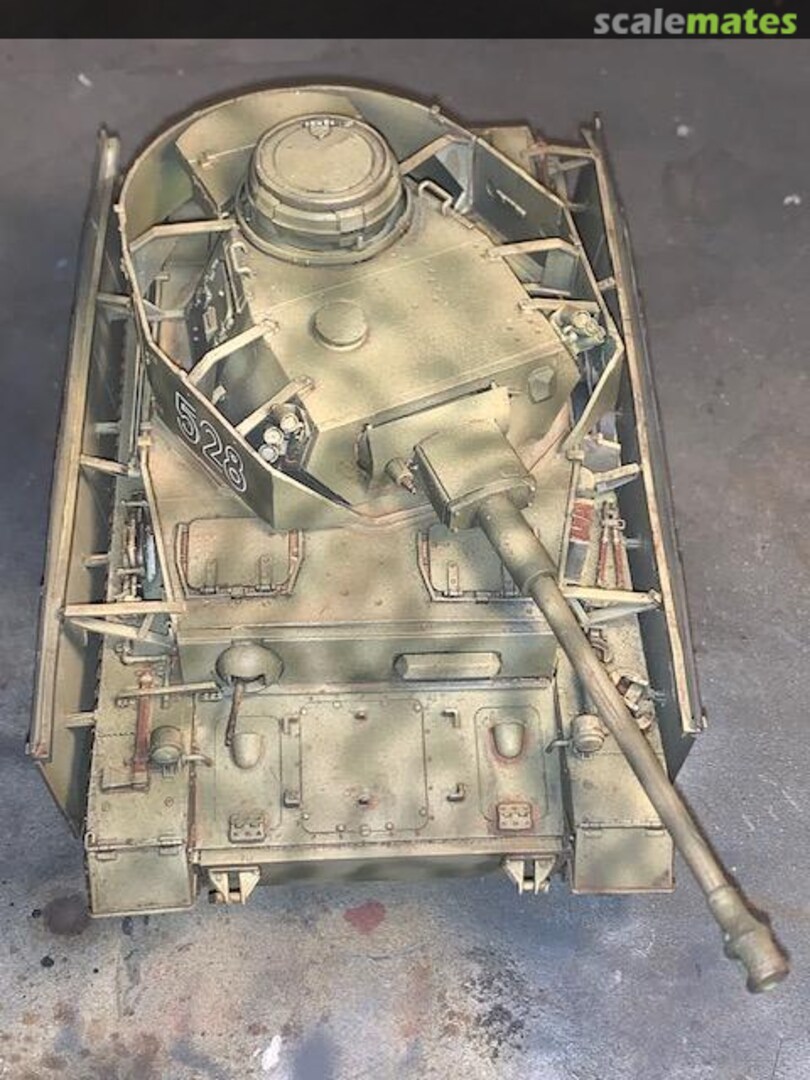
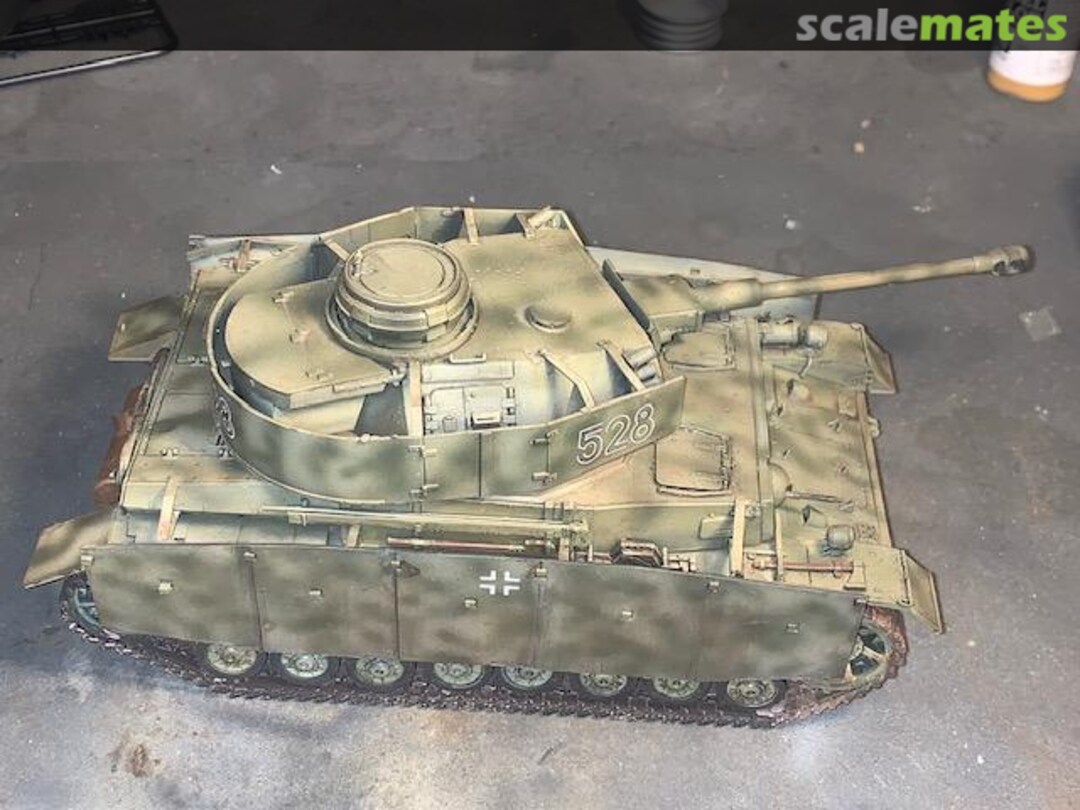
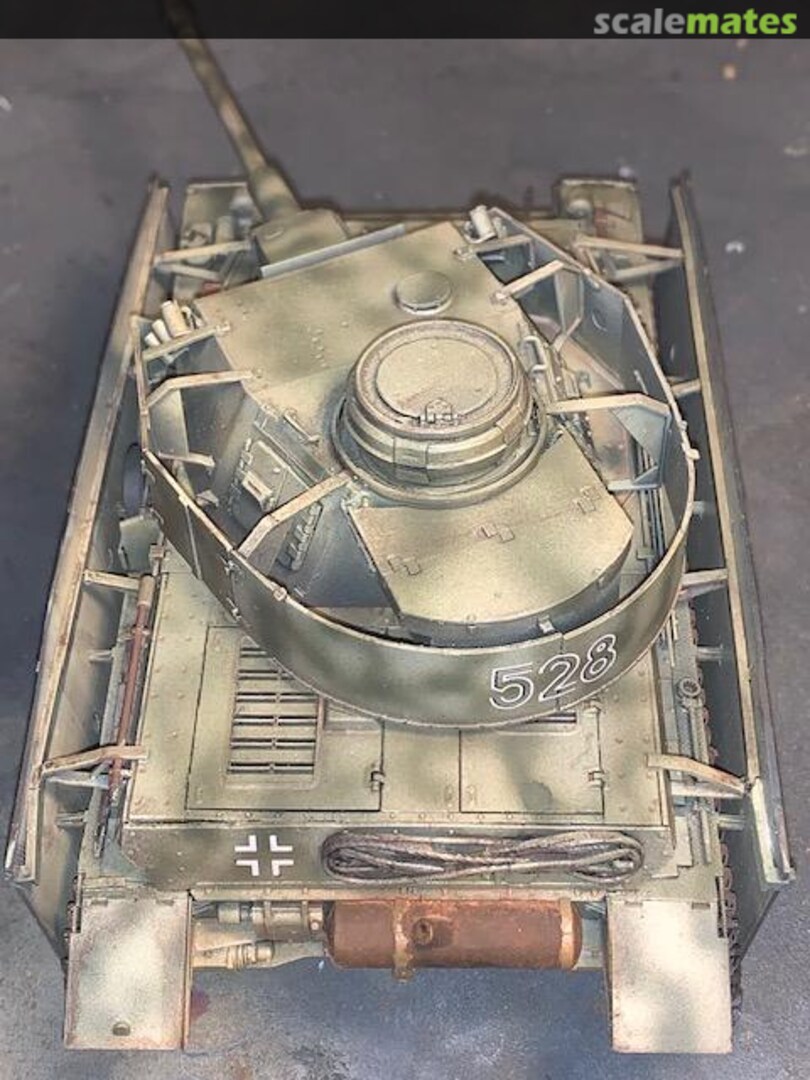
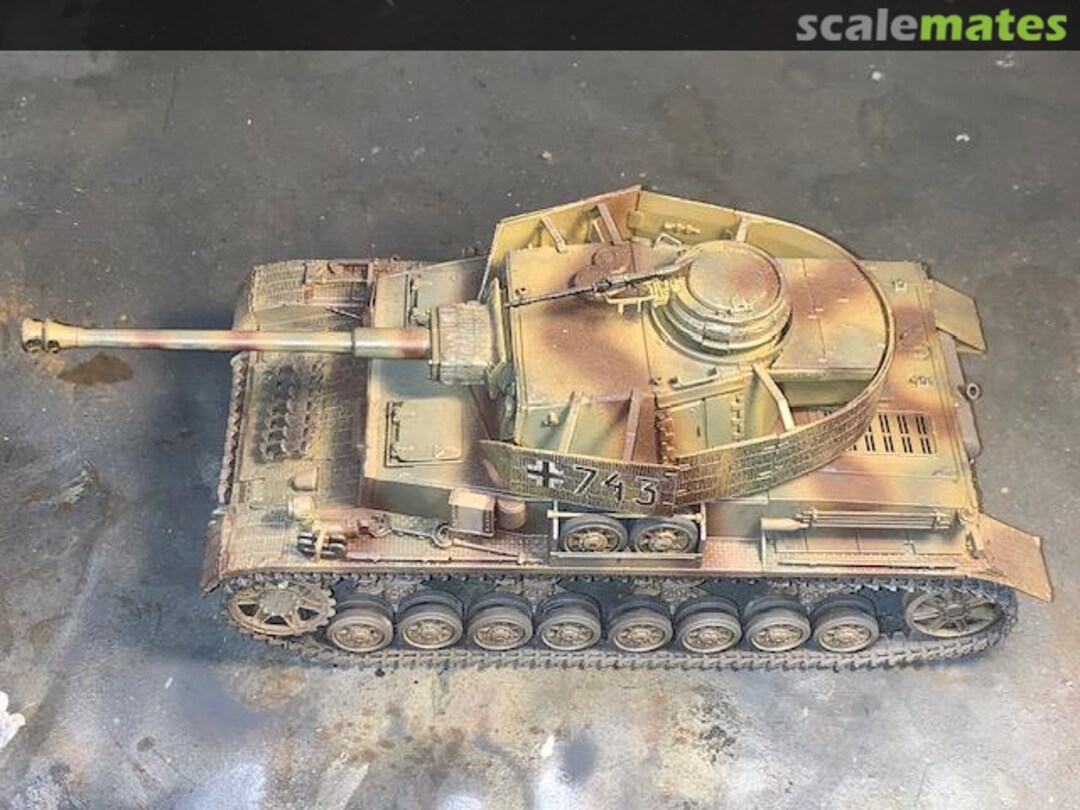
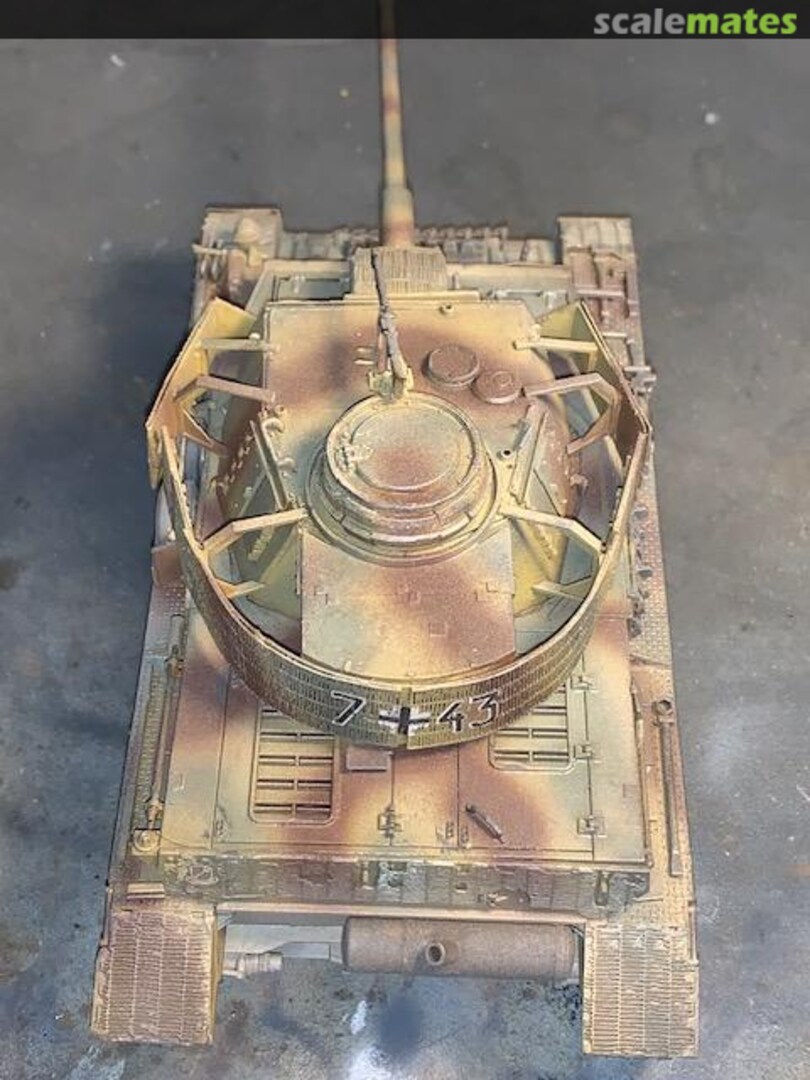
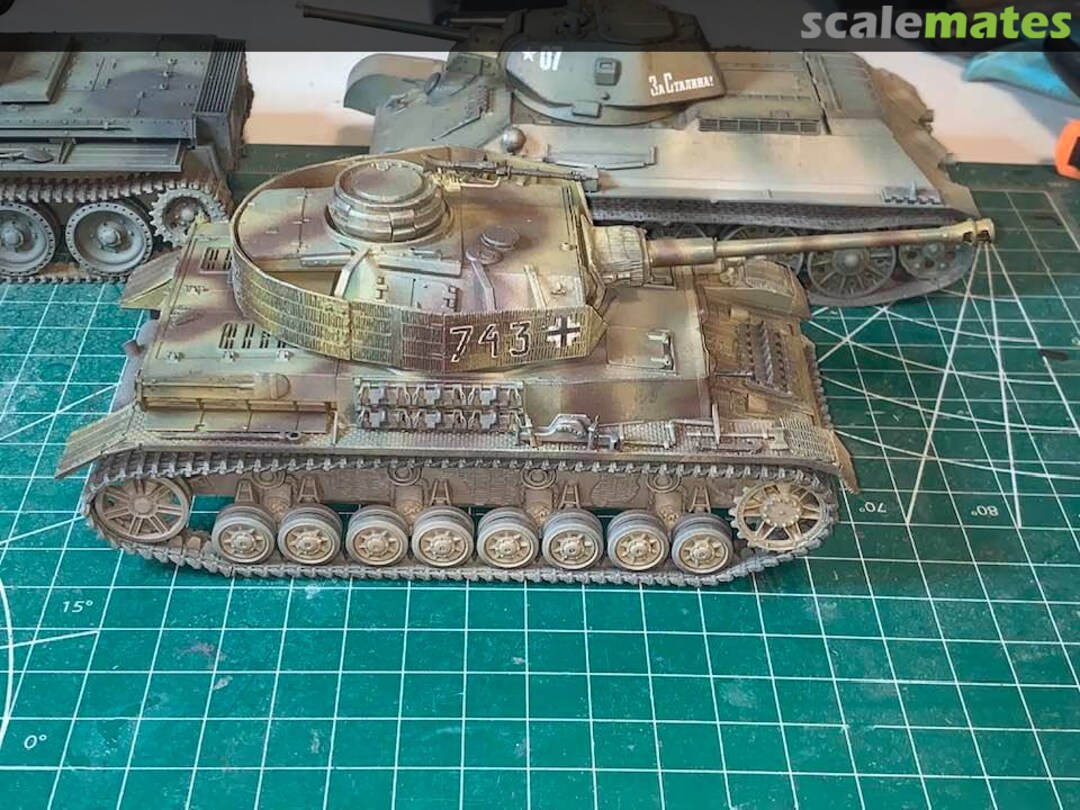
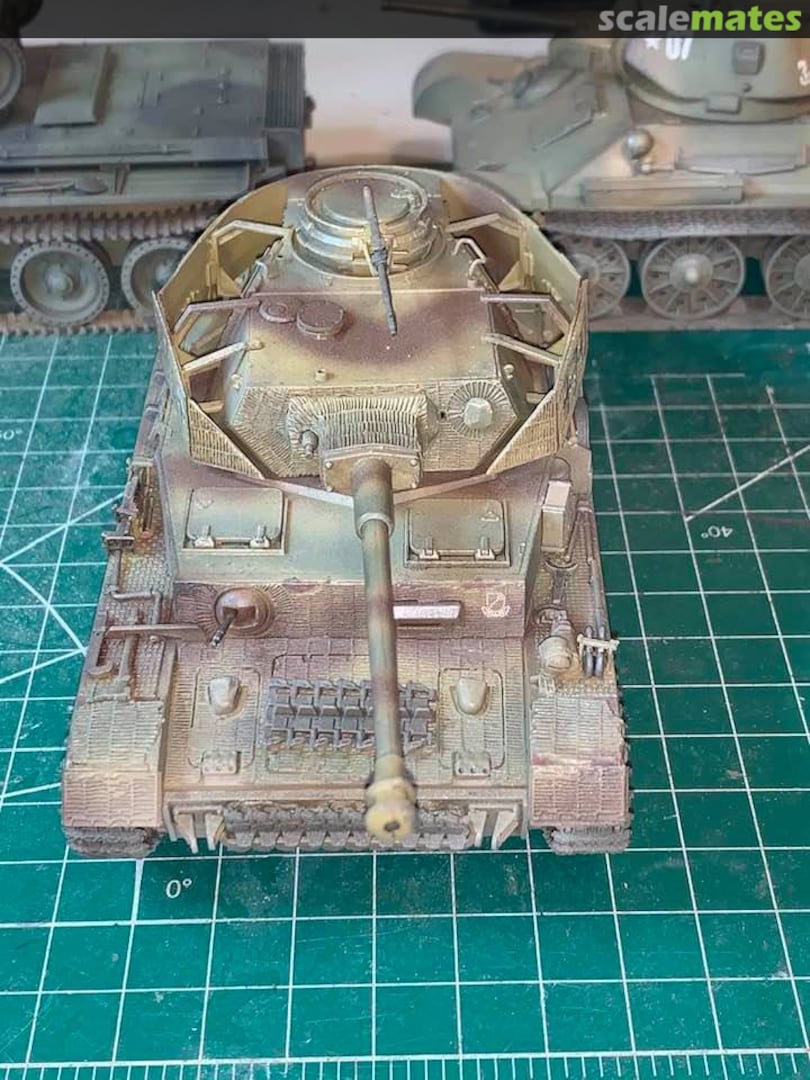
 9December 2, 2024PanzerKampfwagen IV AusF G (late production), 1st SS Panzer Regiment, Kursk Salient, July 1943. In preparation for Operation Citadel, 1. Panzergrenadier Division LAH was supplied new tanks and mustered 12-Tiger I, 72-PzKw IV, 16-PzKW III, and 31-StuG III. The PzKw IV G model represented a major repurposing of the PzKw IV from howitzer support tank to main battle tank. The 75mm L/48 gun was capable of knocking out Soviet T-34 and KV-1 tanks at ranges up to 1500 meters or better. The Operation began on 5th July 1943 with LAH advancing on the left flank of the vanguard II SS Panzer Korps along with Das Reich and TotenKopf (2. and 3. SS Panzergrenadier Divisions) to their right. The tanks advanced with motorized infantry and Luftwaffe support. The 1st defensive line was breeched early on day 1 and the second was breech on day 2. By day 4, LAH had advanced 18 miles and was aiming to breakout beyond Prokhorovka into the rear of the Soviets. On July 12, the II SS Panzer Korp clashed with over 500 Soviet tanks on the approaches to Prokhorovka. The Soviets charged into the German tanks in a wild melee. By days end, both sides withdrew to lick their wounds. Losses had been heavy on both sides of the battle, but the breakthrough had not been achieved. On July 12, Operation Citadel was canceled, and LAH was withdrawn to reform in Italy.
 10December 2, 2024PanzerKampfwagen IV AusF G (late production), 1st SS Panzer Regiment, Kursk Salient, July 1943. In preparation for Operation Citadel, 1. Panzergrenadier Division LAH was supplied new tanks and mustered 12-Tiger I, 72-PzKw IV, 16-PzKW III, and 31-StuG III. The PzKw IV G model represented a major repurposing of the PzKw IV from howitzer support tank to main battle tank. The 75mm L/48 gun was capable of knocking out Soviet T-34 and KV-1 tanks at ranges up to 1500 meters or better. The Operation began on 5th July 1943 with LAH advancing on the left flank of the vanguard II SS Panzer Korps along with Das Reich and TotenKopf (2. and 3. SS Panzergrenadier Divisions) to their right. The tanks advanced with motorized infantry and Luftwaffe support. The 1st defensive line was breeched early on day 1 and the second was breech on day 2. By day 4, LAH had advanced 18 miles and was aiming to breakout beyond Prokhorovka into the rear of the Soviets. On July 12, the II SS Panzer Korp clashed with over 500 Soviet tanks on the approaches to Prokhorovka. The Soviets charged into the German tanks in a wild melee. By days end, both sides withdrew to lick their wounds. Losses had been heavy on both sides of the battle, but the breakthrough had not been achieved. On July 12, Operation Citadel was canceled, and LAH was withdrawn to reform in Italy.
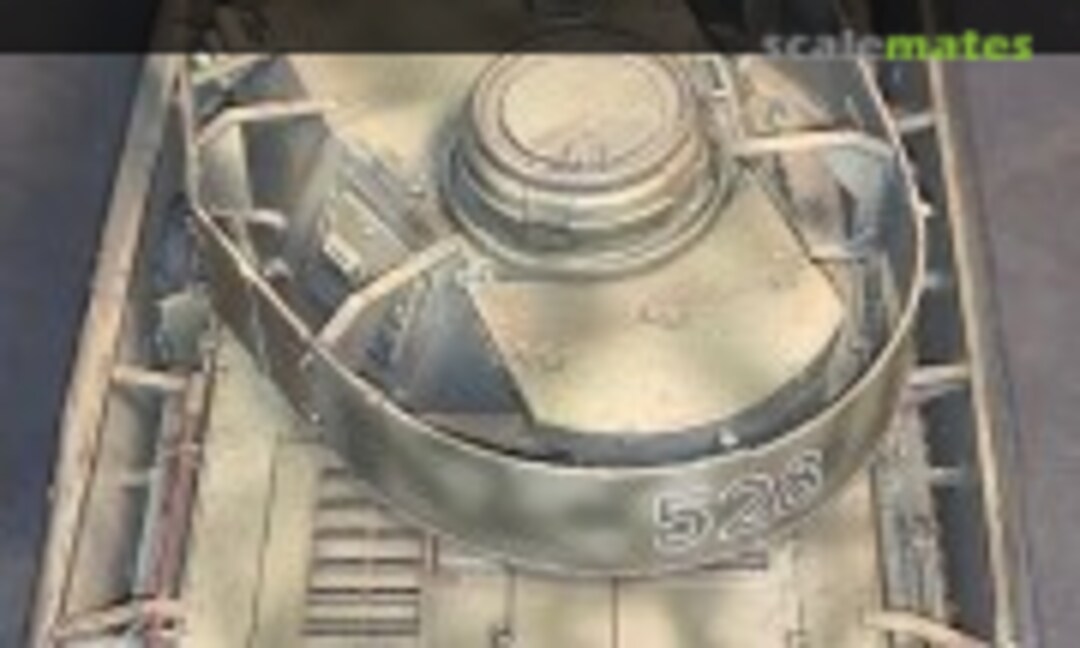 11December 2, 2024PanzerKampfwagen IV AusF G (late production), 1st SS Panzer Regiment, Kursk Salient, July 1943. In preparation for Operation Citadel, 1. Panzergrenadier Division LAH was supplied new tanks and mustered 12-Tiger I, 72-PzKw IV, 16-PzKW III, and 31-StuG III. The PzKw IV G model represented a major repurposing of the PzKw IV from howitzer support tank to main battle tank. The 75mm L/48 gun was capable of knocking out Soviet T-34 and KV-1 tanks at ranges up to 1500 meters or better. The Operation began on 5th July 1943 with LAH advancing on the left flank of the vanguard II SS Panzer Korps along with Das Reich and TotenKopf (2. and 3. SS Panzergrenadier Divisions) to their right. The tanks advanced with motorized infantry and Luftwaffe support. The 1st defensive line was breeched early on day 1 and the second was breech on day 2. By day 4, LAH had advanced 18 miles and was aiming to breakout beyond Prokhorovka into the rear of the Soviets. On July 12, the II SS Panzer Korp clashed with over 500 Soviet tanks on the approaches to Prokhorovka. The Soviets charged into the German tanks in a wild melee. By days end, both sides withdrew to lick their wounds. Losses had been heavy on both sides of the battle, but the breakthrough had not been achieved. On July 12, Operation Citadel was canceled, and LAH was withdrawn to reform in Italy.
 12December 2, 2024PanzerKampfwagen IV AusF G (late production), 1st SS Panzer Regiment, Kursk Salient, July 1943. In preparation for Operation Citadel, 1. Panzergrenadier Division LAH was supplied new tanks and mustered 12-Tiger I, 72-PzKw IV, 16-PzKW III, and 31-StuG III. The PzKw IV G model represented a major repurposing of the PzKw IV from howitzer support tank to main battle tank. The 75mm L/48 gun was capable of knocking out Soviet T-34 and KV-1 tanks at ranges up to 1500 meters or better. The Operation began on 5th July 1943 with LAH advancing on the left flank of the vanguard II SS Panzer Korps along with Das Reich and TotenKopf (2. and 3. SS Panzergrenadier Divisions) to their right. The tanks advanced with motorized infantry and Luftwaffe support. The 1st defensive line was breeched early on day 1 and the second was breech on day 2. By day 4, LAH had advanced 18 miles and was aiming to breakout beyond Prokhorovka into the rear of the Soviets. On July 12, the II SS Panzer Korp clashed with over 500 Soviet tanks on the approaches to Prokhorovka. The Soviets charged into the German tanks in a wild melee. By days end, both sides withdrew to lick their wounds. Losses had been heavy on both sides of the battle, but the breakthrough had not been achieved. On July 12, Operation Citadel was canceled, and LAH was withdrawn to reform in Italy.
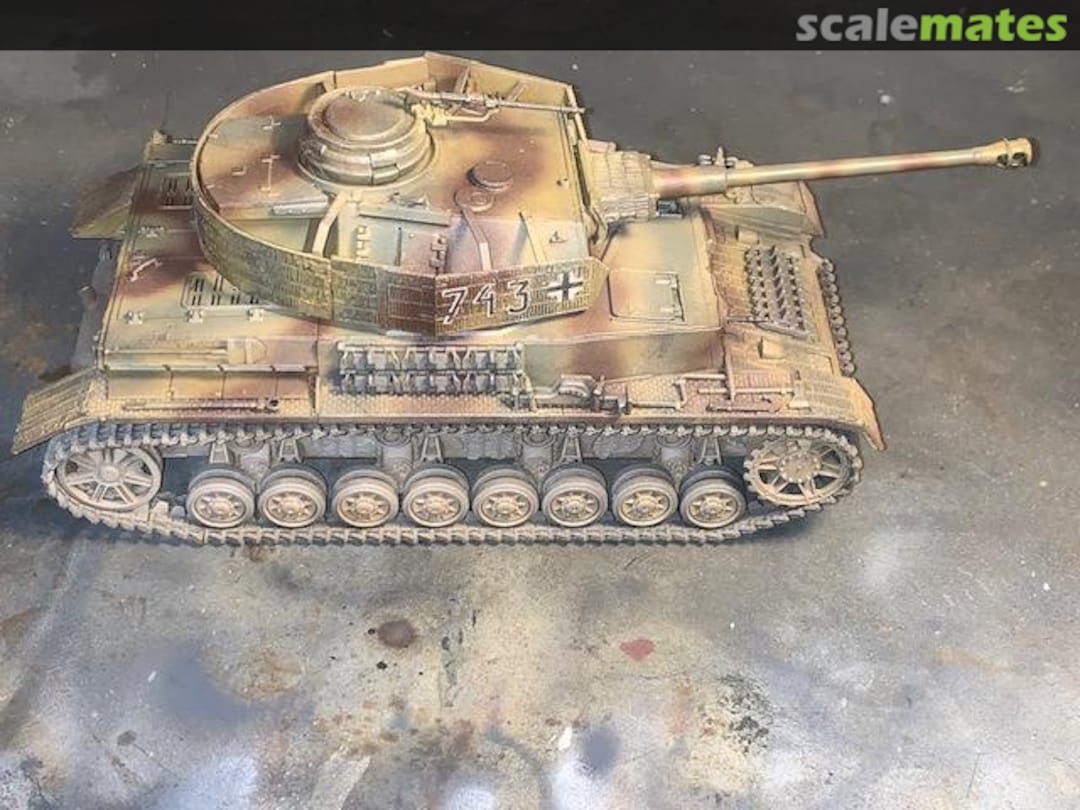
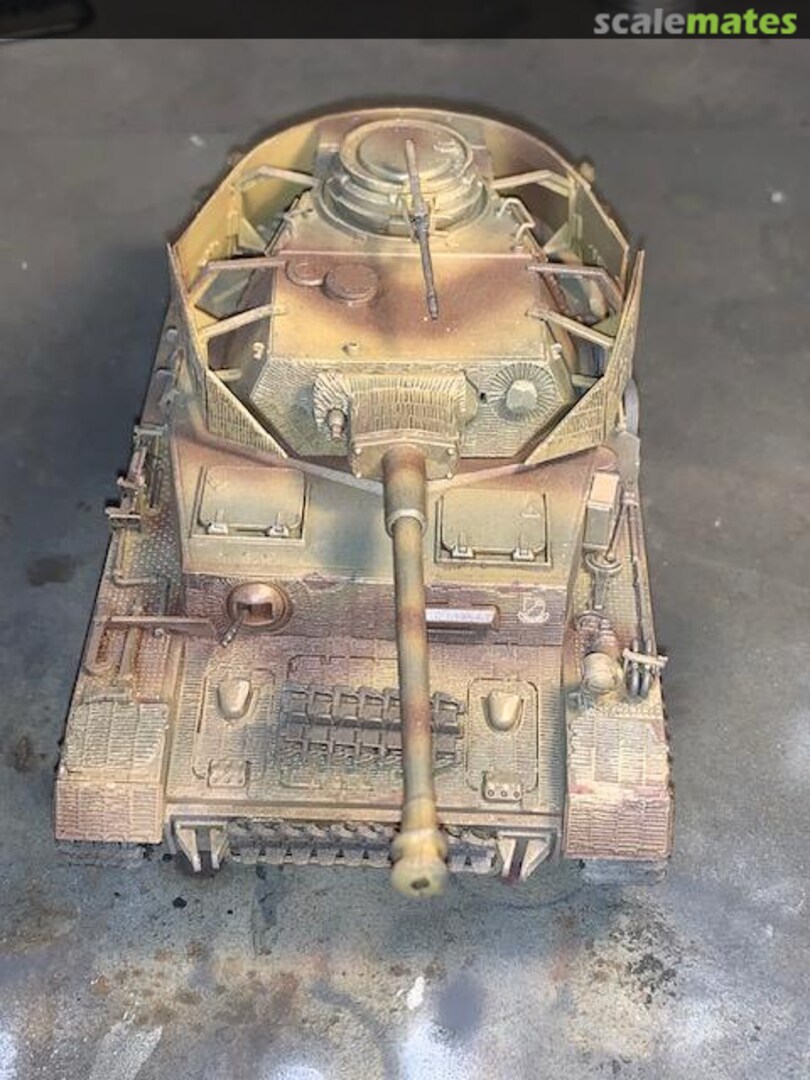
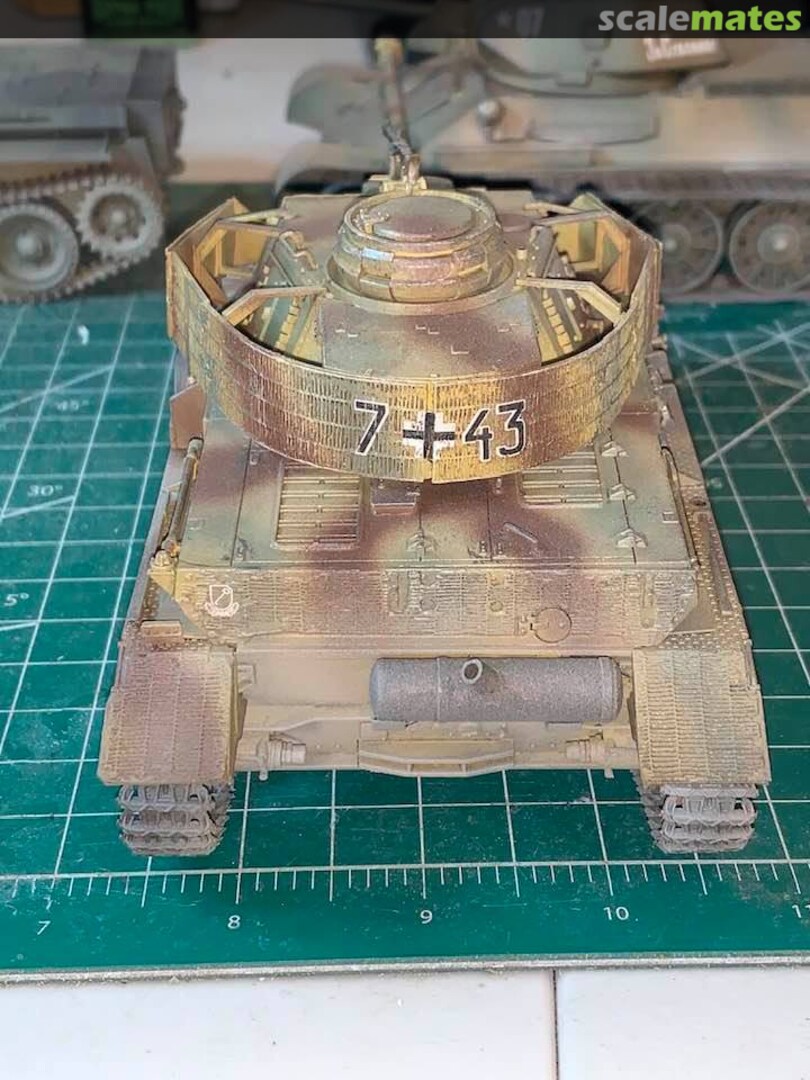
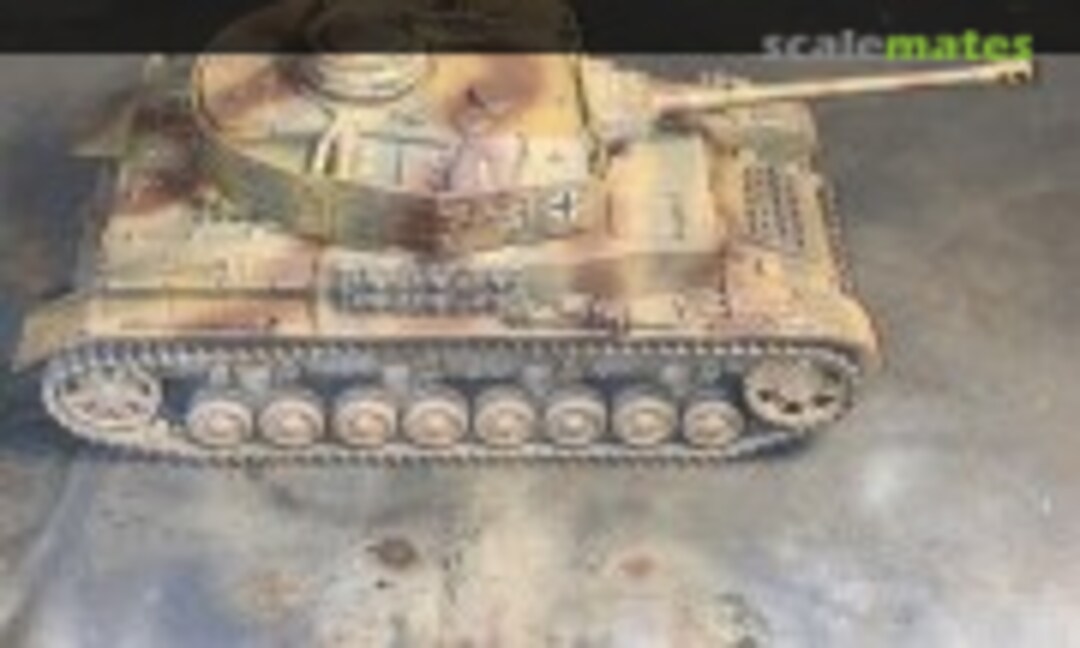 13December 4, 2024PanzerKampfwagen IV AusF J (early production), 1st SS Panzer Regiment, Normandy, July 1944. The J model was the final production variant of the PzKw IV. It did not embody any improvements over the previous model and actually had some features deleted to simplify production and lower cost. These included power traverse for the turret most significantly.
At the time of the Allied invasion of Normandy (6/6/44) the LAH had been stationed in Belgium to react to the expected Allied landings at Calais. Once it was clear this was not going to happen, the division moved to Normandy arriving at the end of June. They began defensive operations in the Caen area against British/Canadian/Commonwealth forces. In August, LAH was ordered to take part in Operation Luttich near Mortain in the US sector at the Western end Normandy in an attempt to sever the US forces breaking out from St Lo into Brittany from their supplies. Mortain was taken and a momentary crisis developed in the US sector, but air attacks and ground counter attacks restored the situation rapidly and LAH was forced back. They now found themselves being encircled by US forces to the South and West and Bristish/Canadian/Polish forces to the North and an ever-tightening gap closing to the East at Falaise. The roads were jammed with German men and equipment heading East to escape the impending disaster. A large number of LAH men escaped on foot leaving being all tanks and heavy gear.
Kit is by Tamiya.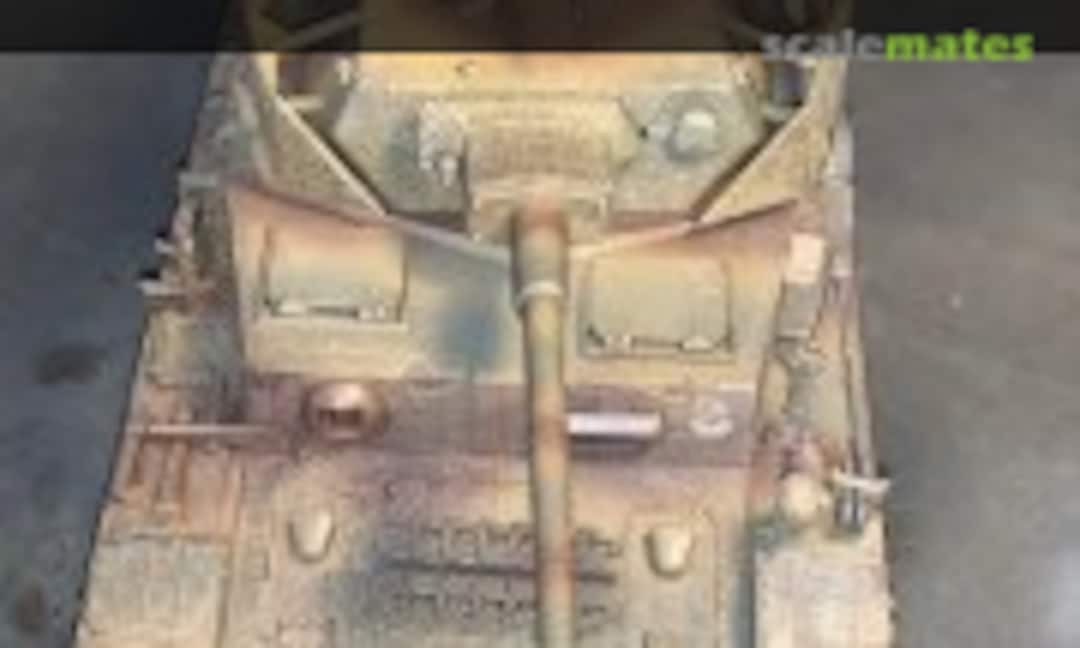 14December 4, 2024PanzerKampfwagen IV AusF J (early production), 1st SS Panzer Regiment, Normandy, July 1944. The J model was the final production variant of the PzKw IV. It did not embody any improvements over the previous model and actually had some features deleted to simplify production and lower cost. These included power traverse for the turret most significantly.
At the time of the Allied invasion of Normandy (6/6/44) the LAH had been stationed in Belgium to react to the expected Allied landings at Calais. Once it was clear this was not going to happen, the division moved to Normandy arriving at the end of June. They began defensive operations in the Caen area against British/Canadian/Commonwealth forces. In August, LAH was ordered to take part in Operation Luttich near Mortain in the US sector at the Western end Normandy in an attempt to sever the US forces breaking out from St Lo into Brittany from their supplies. Mortain was taken and a momentary crisis developed in the US sector, but air attacks and ground counter attacks restored the situation rapidly and LAH was forced back. They now found themselves being encircled by US forces to the South and West and Bristish/Canadian/Polish forces to the North and an ever-tightening gap closing to the East at Falaise. The roads were jammed with German men and equipment heading East to escape the impending disaster. A large number of LAH men escaped on foot leaving being all tanks and heavy gear.
Kit is by Tamiya.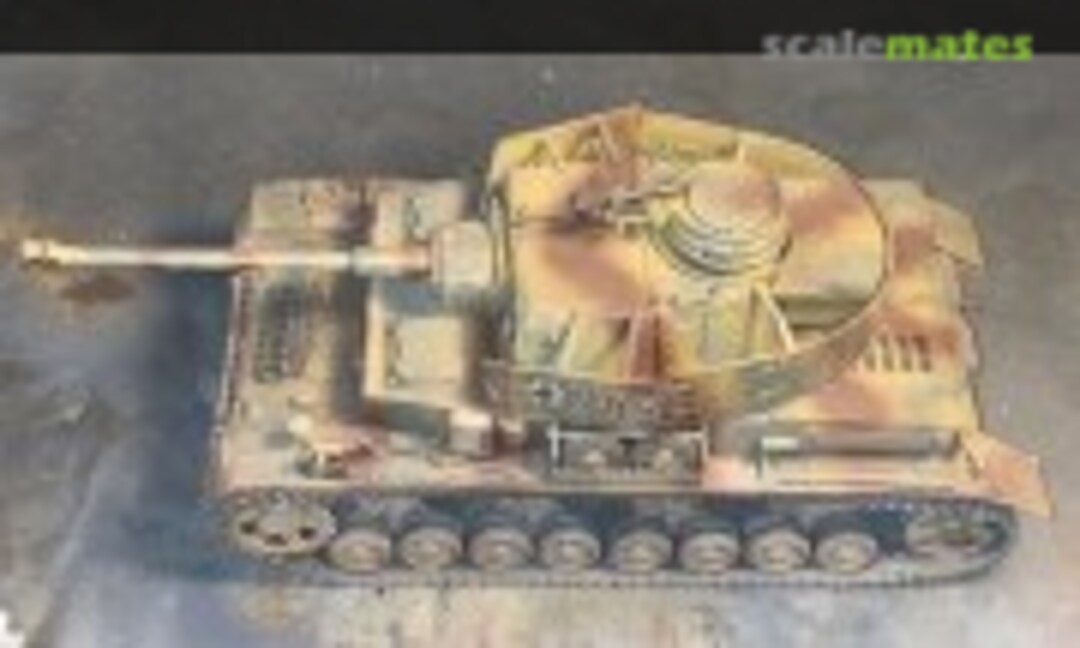 15December 4, 2024PanzerKampfwagen IV AusF J (early production), 1st SS Panzer Regiment, Normandy, July 1944. The J model was the final production variant of the PzKw IV. It did not embody any improvements over the previous model and actually had some features deleted to simplify production and lower cost. These included power traverse for the turret most significantly.
At the time of the Allied invasion of Normandy (6/6/44) the LAH had been stationed in Belgium to react to the expected Allied landings at Calais. Once it was clear this was not going to happen, the division moved to Normandy arriving at the end of June. They began defensive operations in the Caen area against British/Canadian/Commonwealth forces. In August, LAH was ordered to take part in Operation Luttich near Mortain in the US sector at the Western end Normandy in an attempt to sever the US forces breaking out from St Lo into Brittany from their supplies. Mortain was taken and a momentary crisis developed in the US sector, but air attacks and ground counter attacks restored the situation rapidly and LAH was forced back. They now found themselves being encircled by US forces to the South and West and Bristish/Canadian/Polish forces to the North and an ever-tightening gap closing to the East at Falaise. The roads were jammed with German men and equipment heading East to escape the impending disaster. A large number of LAH men escaped on foot leaving being all tanks and heavy gear.
Kit is by Tamiya. 16December 4, 2024PanzerKampfwagen IV AusF J (early production), 1st SS Panzer Regiment, Normandy, July 1944. The J model was the final production variant of the PzKw IV. It did not embody any improvements over the previous model and actually had some features deleted to simplify production and lower cost. These included power traverse for the turret most significantly.
At the time of the Allied invasion of Normandy (6/6/44) the LAH had been stationed in Belgium to react to the expected Allied landings at Calais. Once it was clear this was not going to happen, the division moved to Normandy arriving at the end of June. They began defensive operations in the Caen area against British/Canadian/Commonwealth forces. In August, LAH was ordered to take part in Operation Luttich near Mortain in the US sector at the Western end Normandy in an attempt to sever the US forces breaking out from St Lo into Brittany from their supplies. Mortain was taken and a momentary crisis developed in the US sector, but air attacks and ground counter attacks restored the situation rapidly and LAH was forced back. They now found themselves being encircled by US forces to the South and West and Bristish/Canadian/Polish forces to the North and an ever-tightening gap closing to the East at Falaise. The roads were jammed with German men and equipment heading East to escape the impending disaster. A large number of LAH men escaped on foot leaving being all tanks and heavy gear.
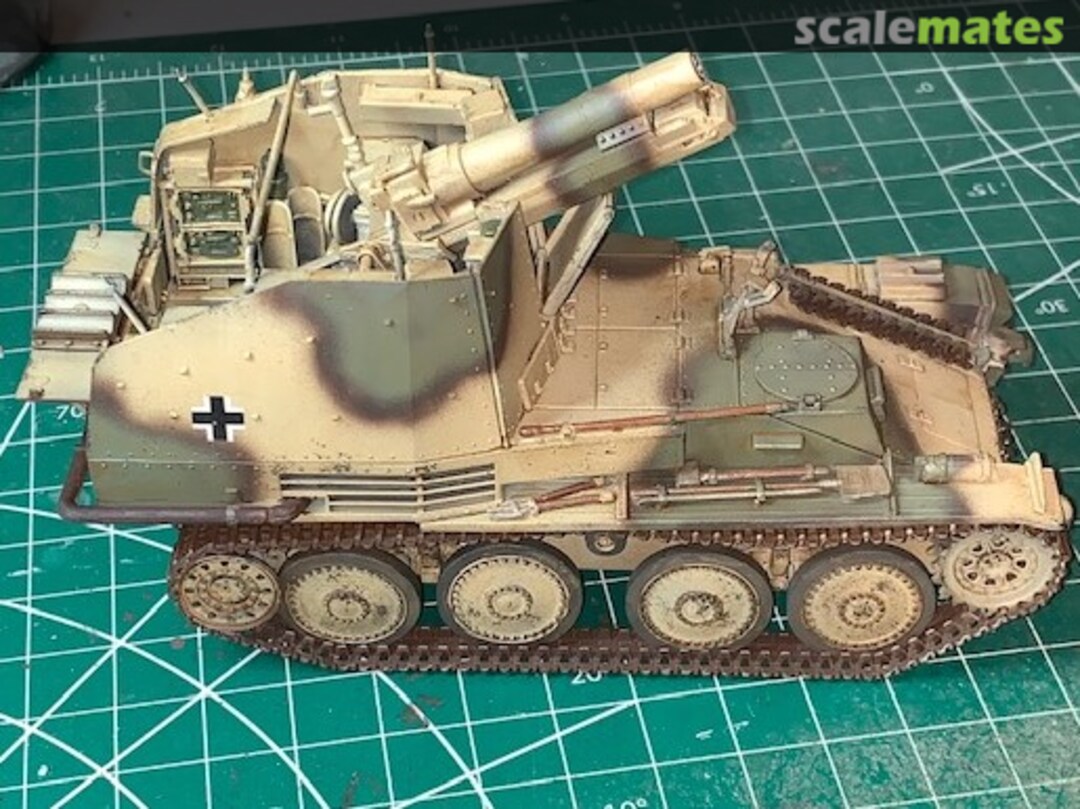
Kit is by Tamiya. 17November 26, 202015cm sIG auf PzKw 38t, Grille (Cricket), 1. SS Panzer Division, Normandy June 1944.
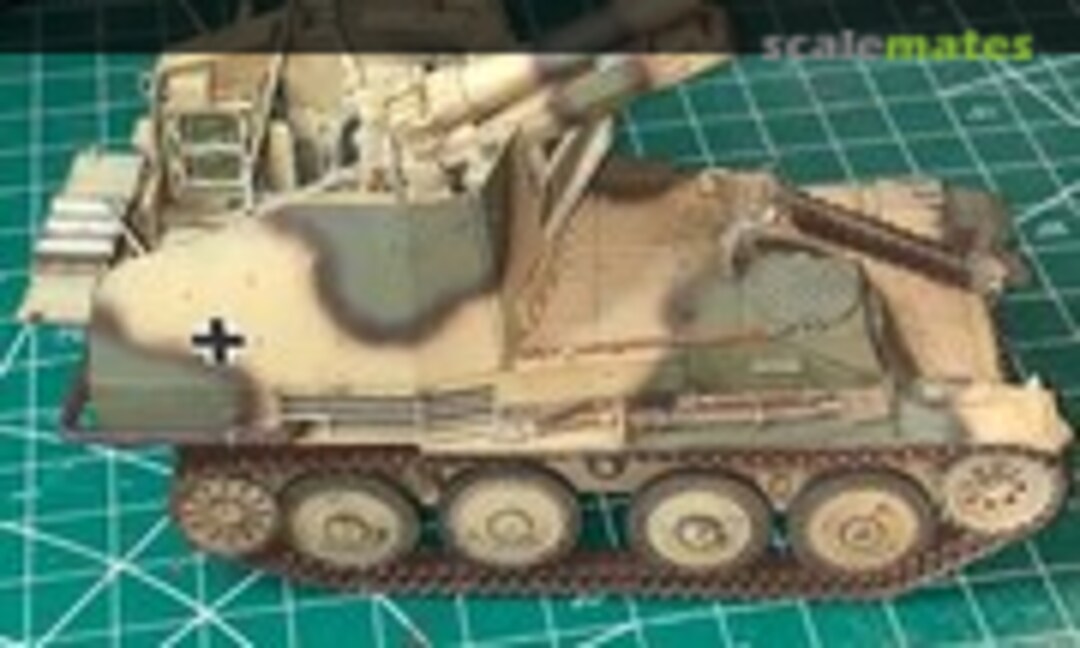 18November 26, 202015cm sIG auf PzKw 38t, Grille (Cricket), 1. SS Panzer Division, Normandy June 1944.
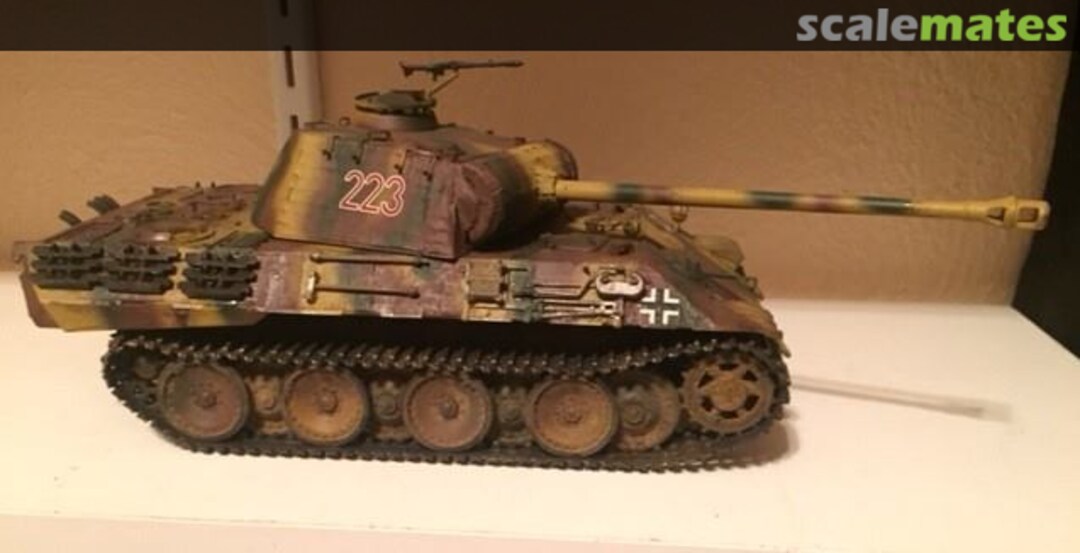
 19August 6, 2020Panther AusF A (Tamiya old boxing) with Zimmermit decals by Meng, Normandy June 1944.
 20April 29, 2021
 21April 29, 2021
 22April 29, 2021
 23April 29, 2021
 24August 6, 2019Tamiya (old) Panther Aufs A with Meng Zimmermit Decals. Normandy 1944
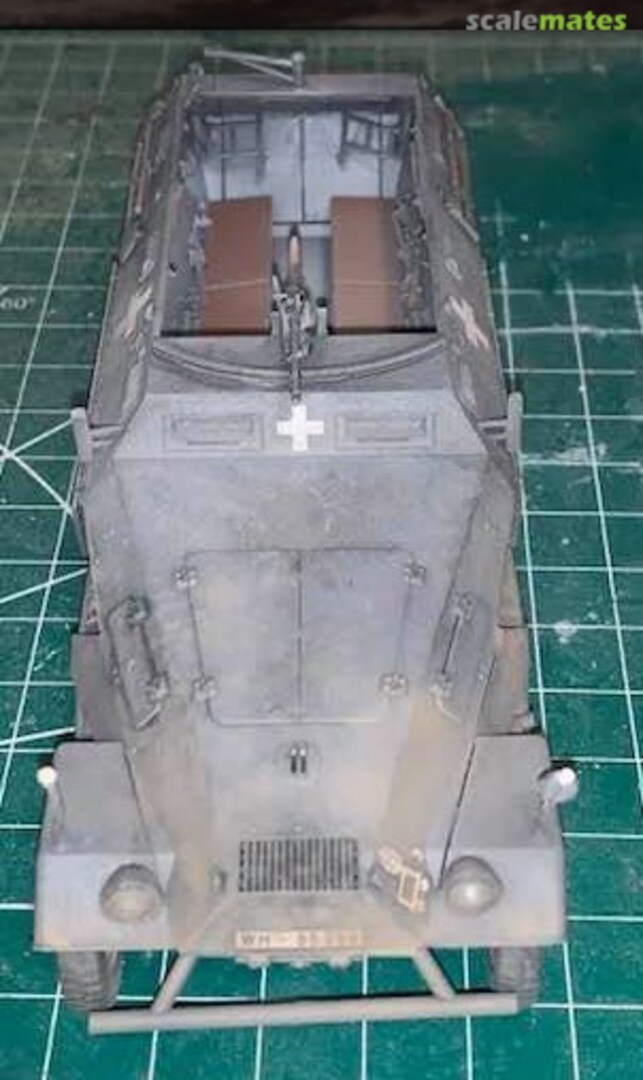
 25March 21, 2021SDKFZ 251/1, 1st Panzer Division, Poland September 1939. Kit by ICM
 26March 21, 2021SDKFZ 251/1, 1st Panzer Division, Poland September 1939. Kit by ICM
 27March 21, 2021SDKFZ 251/1, 1st Panzer Division, Poland September 1939. Kit by ICM
 28March 21, 2021SDKFZ 251/1, 1st Panzer Division, Poland September 1939. Kit by ICM
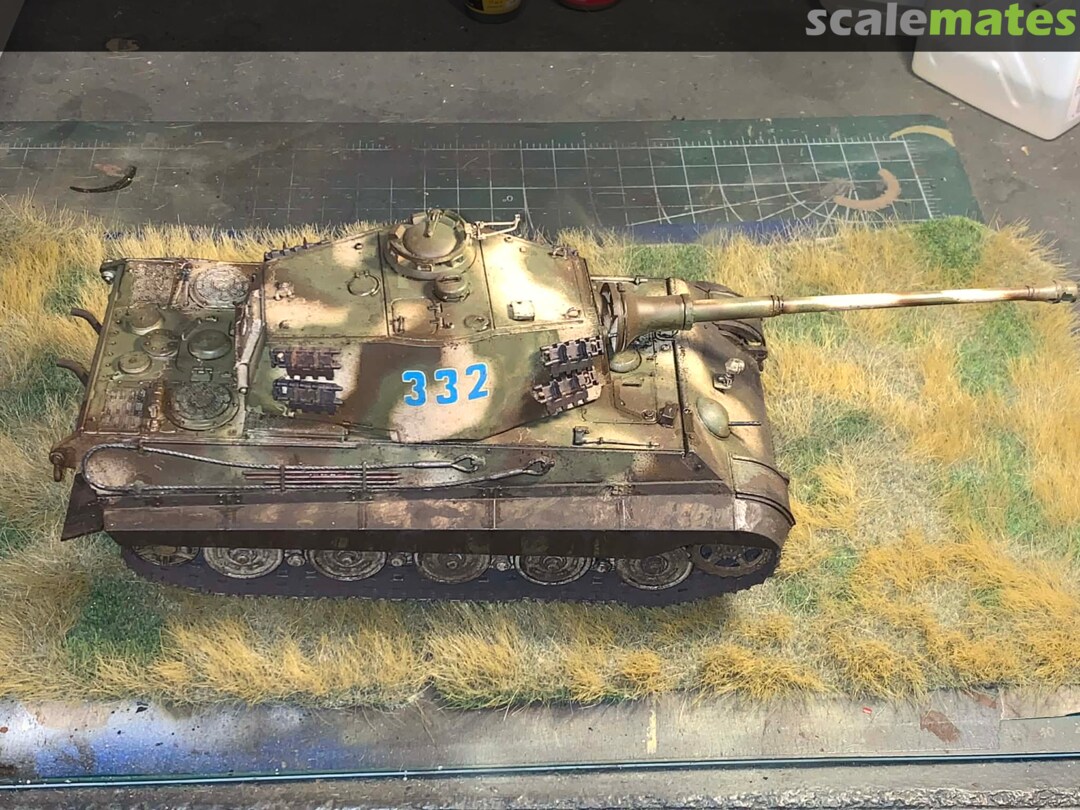
 29November 19, 2025









Comments
17 2 December 2024, 22:11


Album info
Armored Vehicles of the LAH.


