


1. Panzer Division (Vermacht)
 1November 21, 2024SdKfz 251/1 Ausf A, 1. Panzer Division, Poland, Poland, September 1939. These were the first production run of the 251 series halftracks with 100 being produced in 1939. The 1. PD was the only unit issued these vehicles for the Polish Campaign. Mainly used as armored troop carriers, these halftracks would become multi-purpose vehicles for a great number of roles. Kit is by ICM, paint and markings are overall dark gray with solid white crosses (decals from spares)
 2November 21, 2024SdKfz 251/1 Ausf A, 1. Panzer Division, Poland, September 1939. These were the first production run of the 251 series halftracks with 100 being produced in 1939. The 1. PD was the only unit issued these vehicles for the Polish Campaign. Mainly used as armored troop carriers, these halftracks would become multi-purpose vehicles for a great number of roles.
 3November 21, 2024SdKfz 251/1 Ausf A, 1. Panzer Division, Poland, September 1939. These were the first production run of the 251 series halftracks with 100 being produced in 1939. The 1. PD was the only unit issued these vehicles for the Polish Campaign. Mainly used as armored troop carriers, these halftracks would become multi-purpose vehicles for a great number of roles.
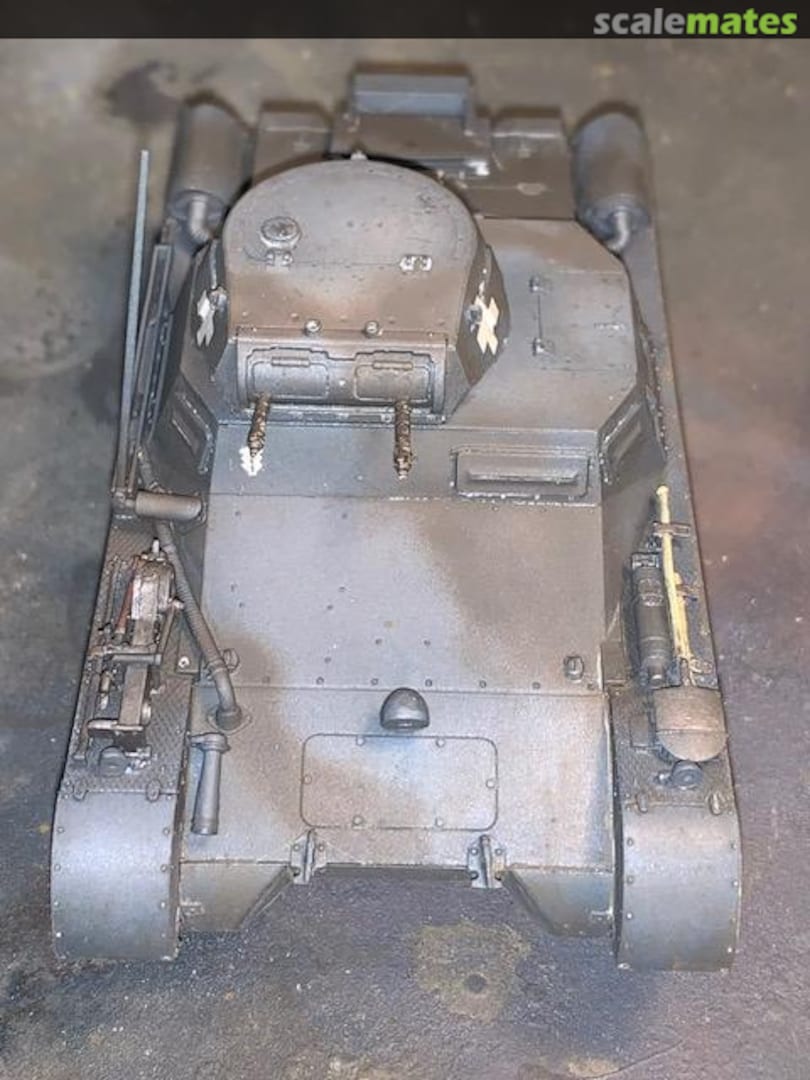
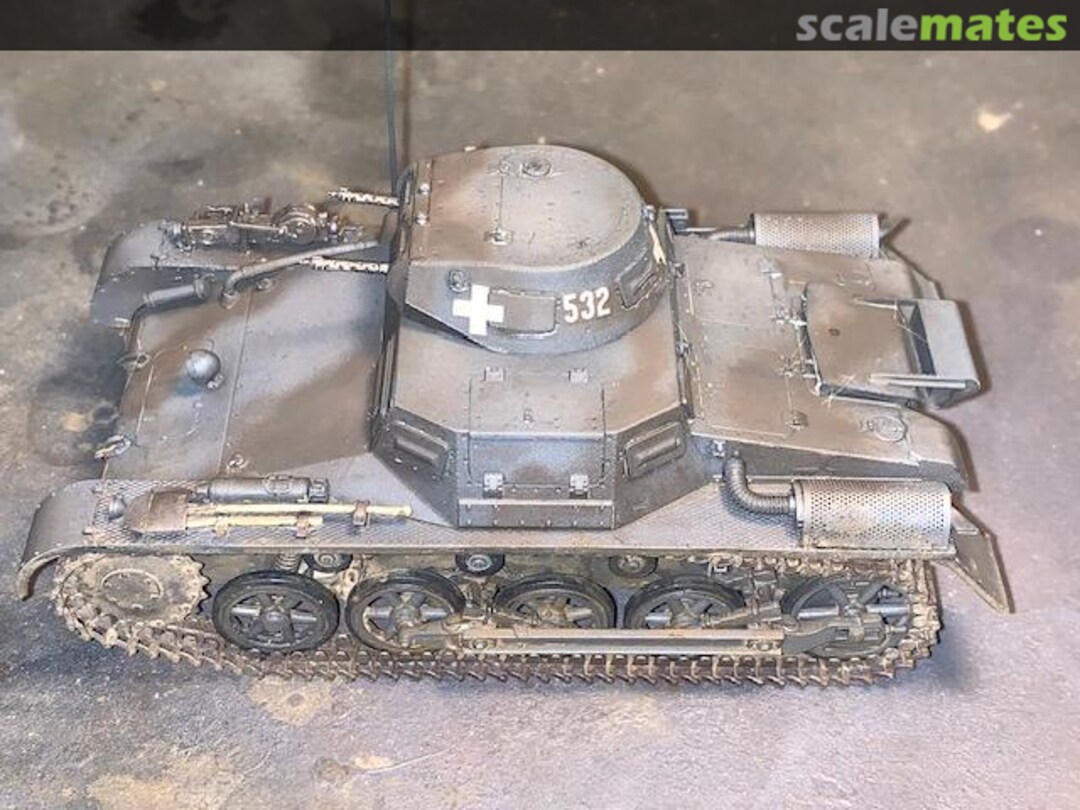
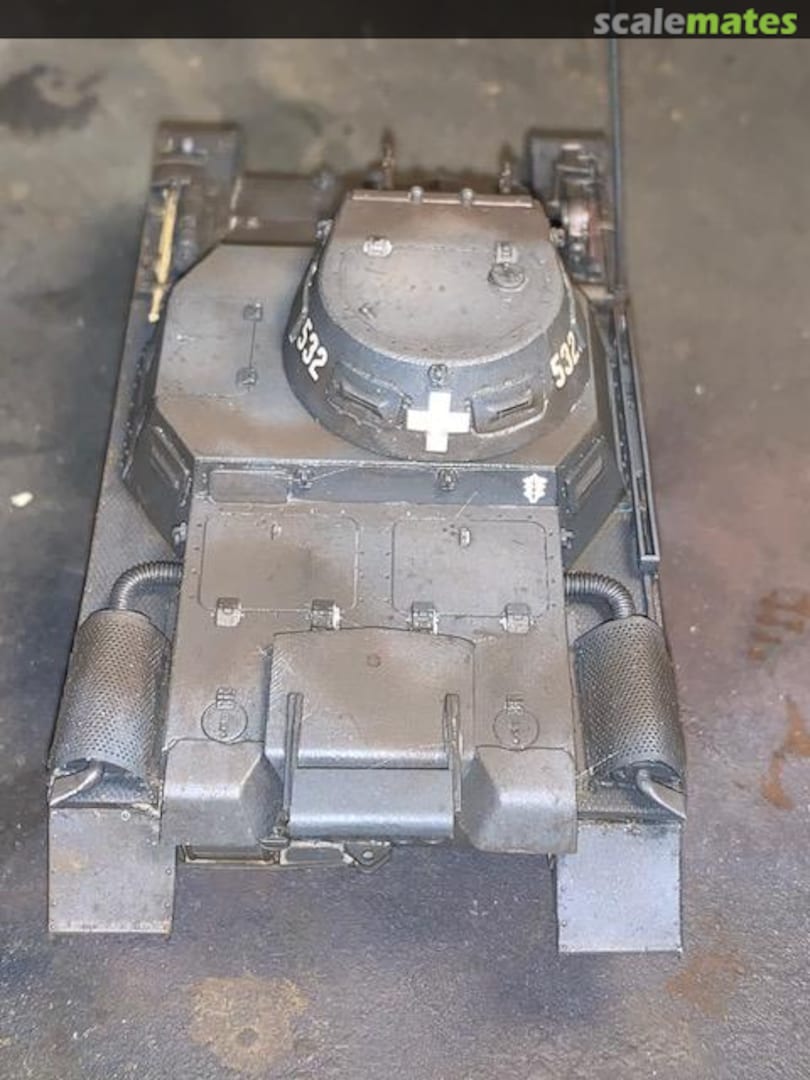
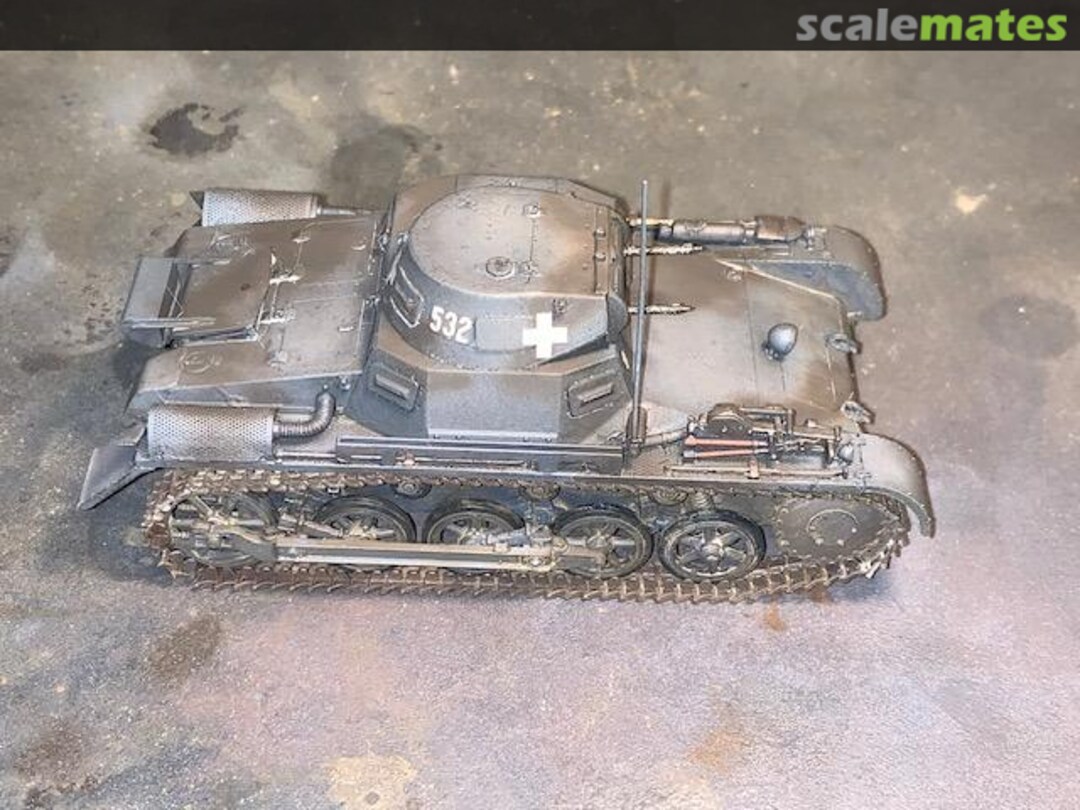
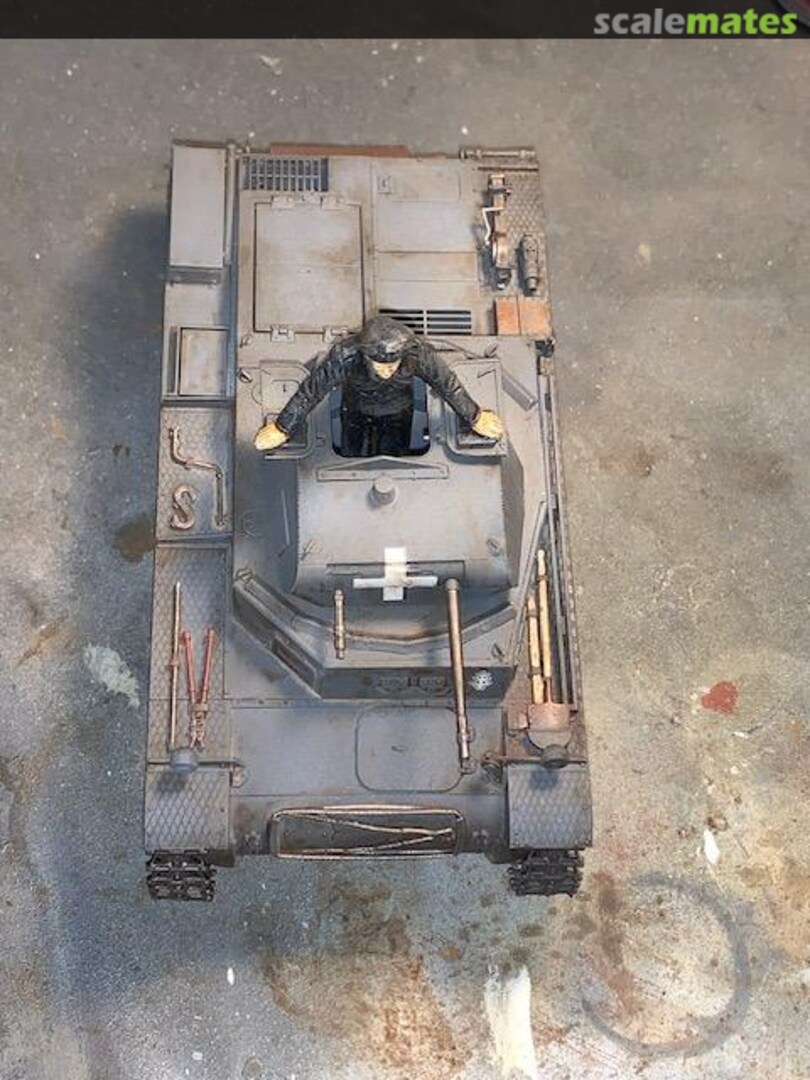
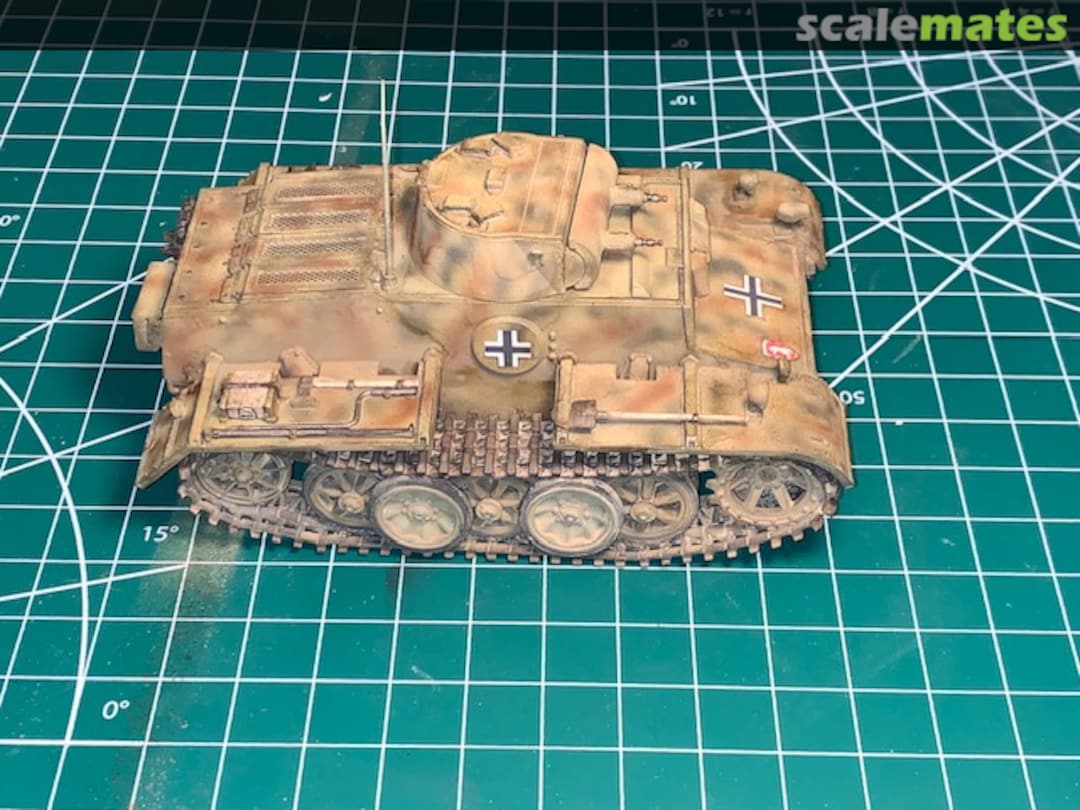
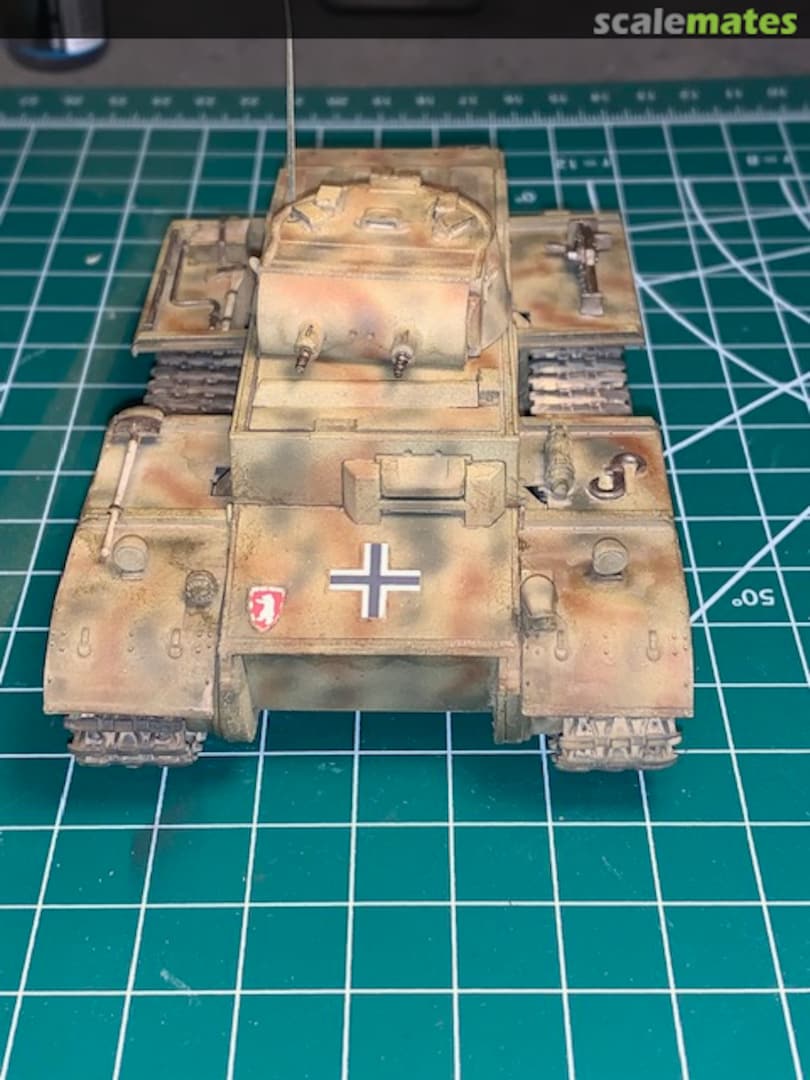
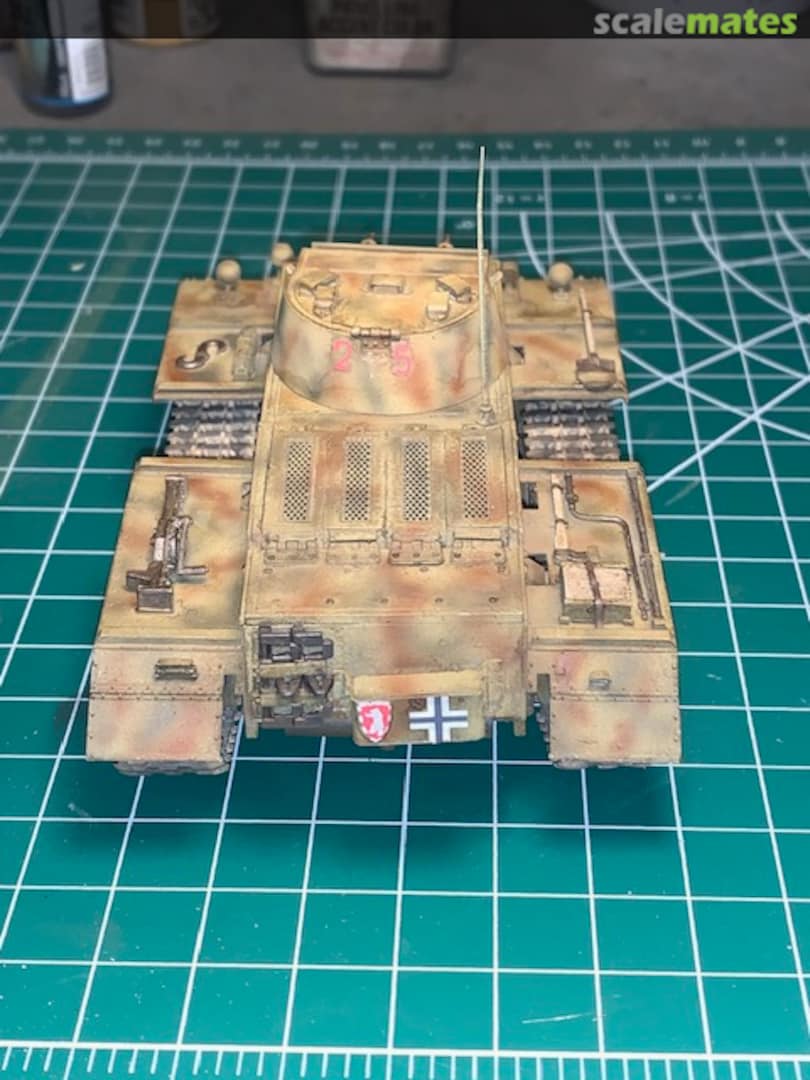
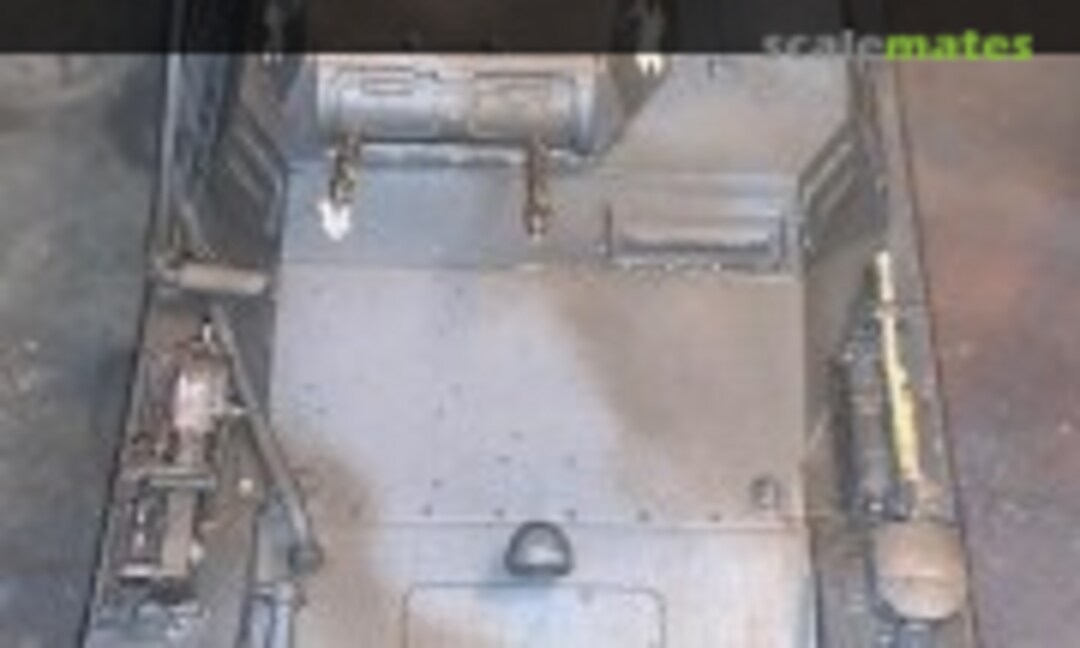 4January 9, 2025PzKw I AusF A, 1. Panzer Regiment, Poland, 1939. With total production reaching 1,190 in 1935, this diminutive, little tank was the first major production type for the new Panzer Forces of the Third Reich prior to WWII. The engine was deemed to be under-powered and upgrading that in the AusF B required lengthening the hull and adding 1 roadwheel per side.
Intentions were for these vehicles to merely train the fledgling Panzer troops until the real battle tanks (PzKw III and PzKw IV) were ready. Selays in development and production of the main battle tanks and Herr Hitlers heavy handed politics and ambitions force the hand of the Wehrmacht to use these tanks despite their weak armor and armament.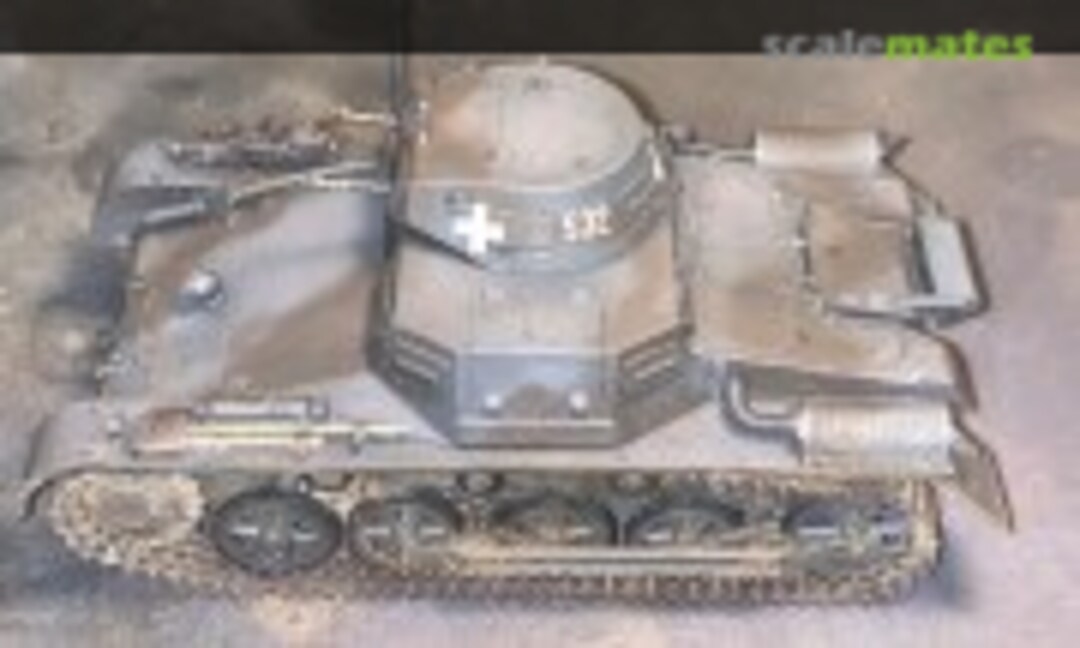 5January 9, 2025PzKw I AusF A, 1. Panzer Regiment, Poland, 1939. With total production reaching 1,190 in 1935, this diminutive, little tank was the first major production type for the new Panzer Forces of the Third Reich prior to WWII. The engine was deemed to be under-powered and upgrading that in the AusF B required lengthening the hull and adding 1 roadwheel per side.
Intentions were for these vehicles to merely train the fledgling Panzer troops until the real battle tanks (PzKw III and PzKw IV) were ready. Selays in development and production of the main battle tanks and Herr Hitlers heavy handed politics and ambitions force the hand of the Wehrmacht to use these tanks despite their weak armor and armament.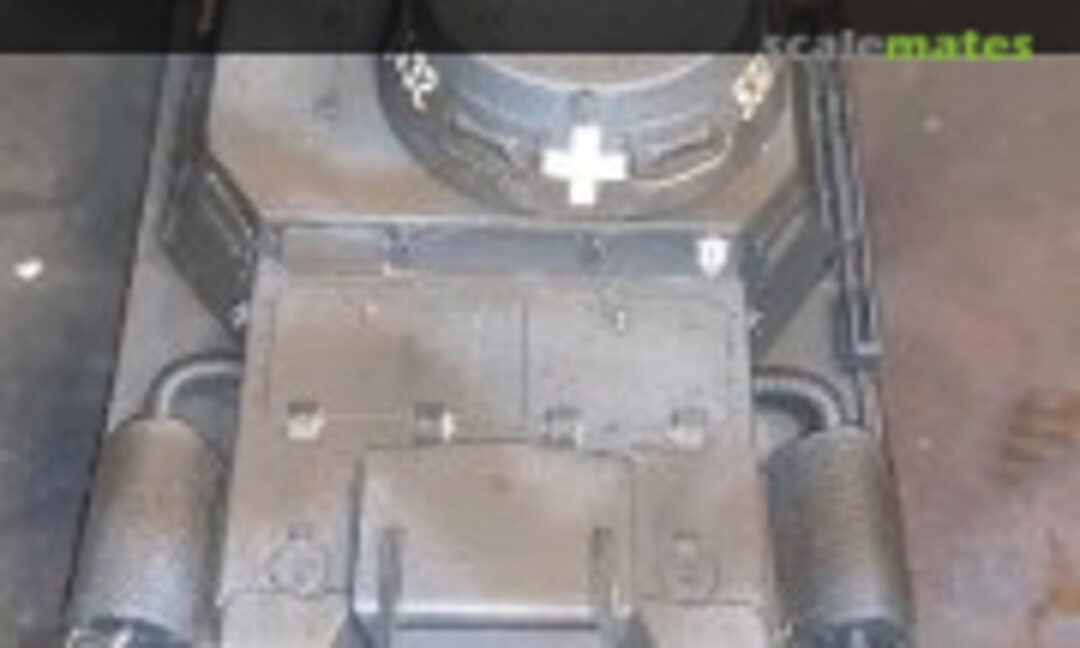 6January 9, 2025PzKw I AusF A, 1. Panzer Regiment, Poland, 1939. With total production reaching 1,190 in 1935, this diminutive, little tank was the first major production type for the new Panzer Forces of the Third Reich prior to WWII. The engine was deemed to be under-powered and upgrading that in the AusF B required lengthening the hull and adding 1 roadwheel per side.
Intentions were for these vehicles to merely train the fledgling Panzer troops until the real battle tanks (PzKw III and PzKw IV) were ready. Selays in development and production of the main battle tanks and Herr Hitlers heavy handed politics and ambitions force the hand of the Wehrmacht to use these tanks despite their weak armor and armament.
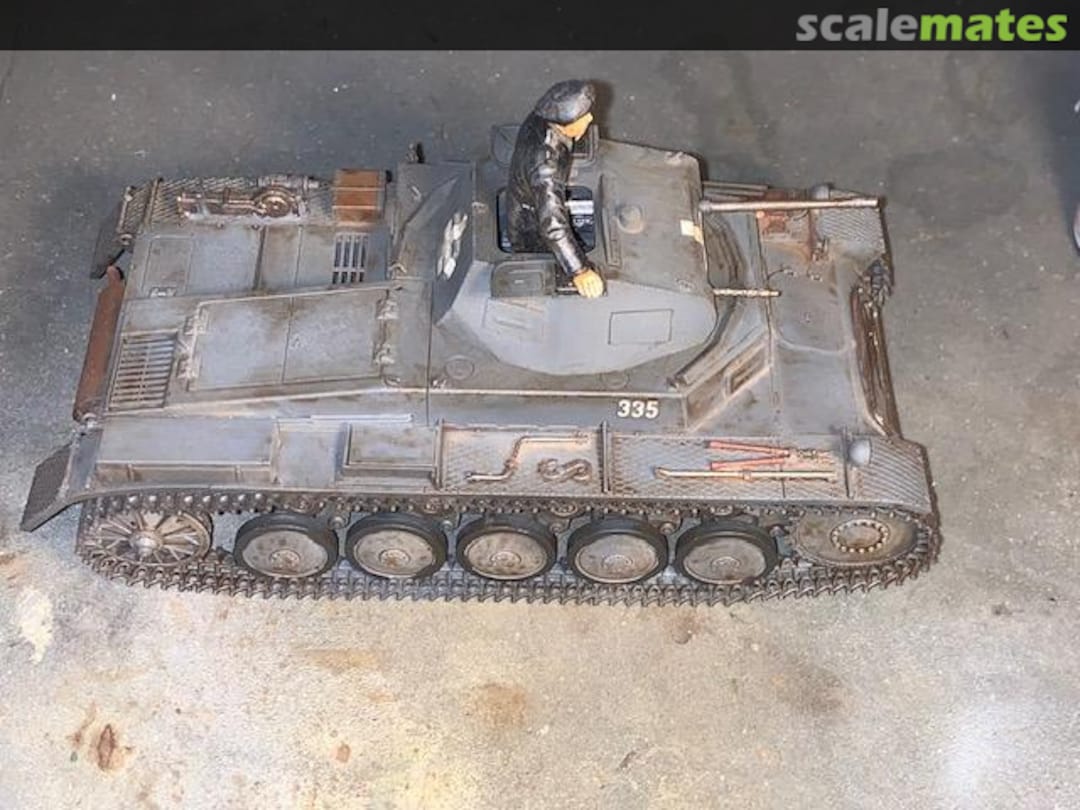
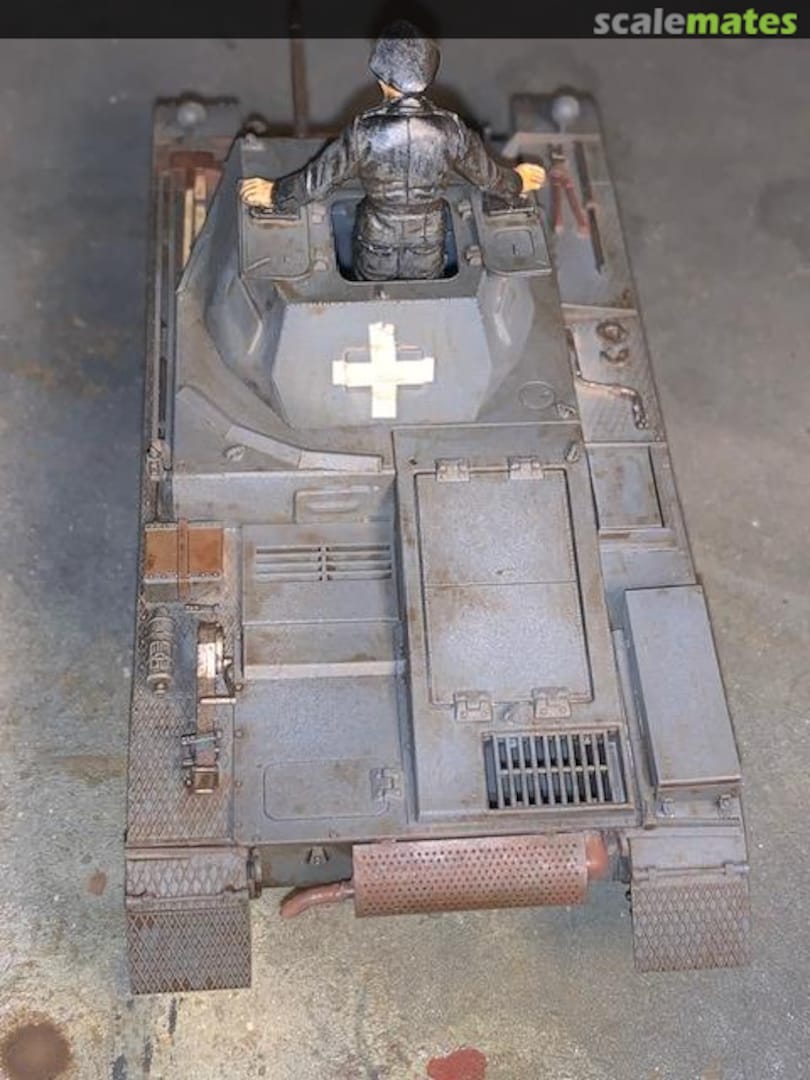
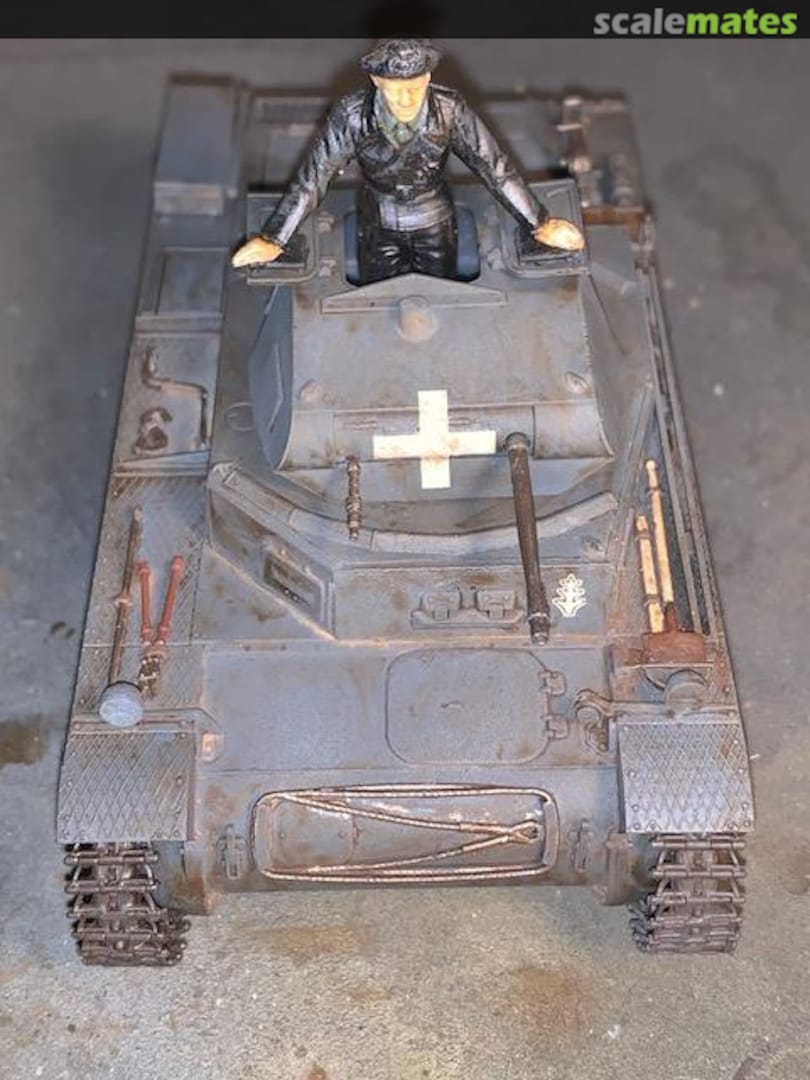
Kit by Takom, out of box. Ammo Mig dark gray modulation. Vallejo dunkelbraun cammo color.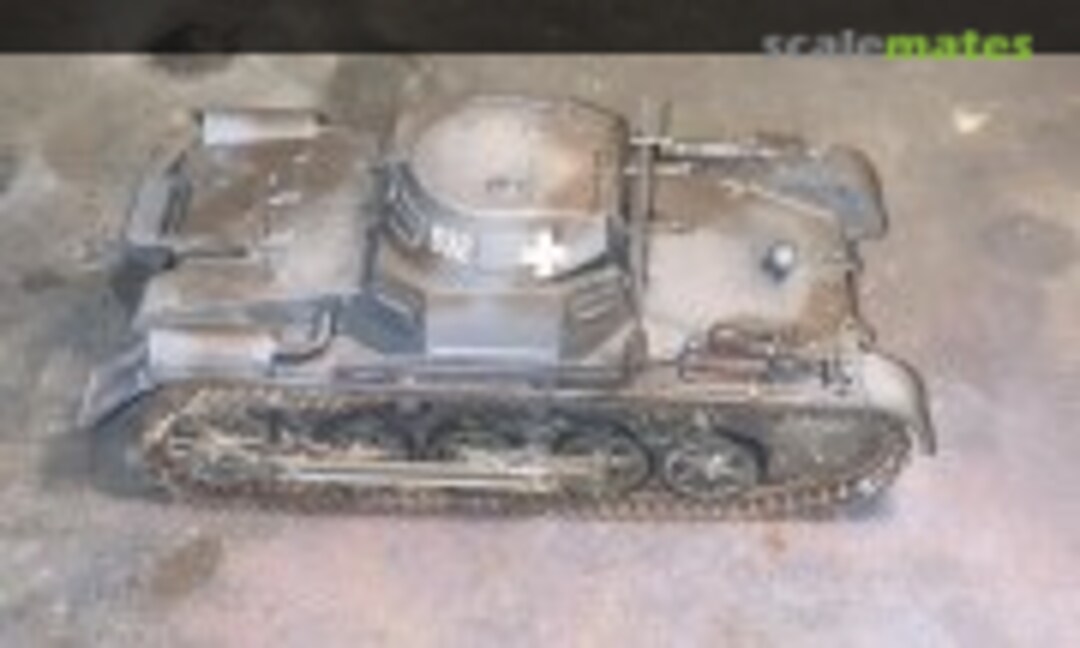 7January 9, 2025PzKw I AusF A, 1. Panzer Regiment, Poland, 1939. With total production reaching 1,190 in 1935, this diminutive, little tank was the first major production type for the new Panzer Forces of the Third Reich prior to WWII. The engine was deemed to be under-powered and upgrading that in the AusF B required lengthening the hull and adding 1 roadwheel per side.
Intentions were for these vehicles to merely train the fledgling Panzer troops until the real battle tanks (PzKw III and PzKw IV) were ready. Selays in development and production of the main battle tanks and Herr Hitlers heavy handed politics and ambitions force the hand of the Wehrmacht to use these tanks despite their weak armor and armament. 8November 25, 2024PzKw II AusF C, Poland, September 1939. The PzKw II was ordered in 1936 as a stop-gap model to provide a training vehicle with a light canon to provide at least minimal armor piercing ability. This was needed as the PzKw III and PzKw IV (ordered in 1935) were not yet in production and further delays were anticipated. PzKw II, like the PzKw I, was never intended to be used as a combat tank, but by the time of the Polish Invasion less than 100 PzKw III's were completed and only about 200 PzKw IV. 1. Panzer Division was issued only 26 of the 130 PzKw III's required to fully equip, and it was therefore necessary to substitute PzKw I and II. Overall, the PzKw II performed very well but Polish AT guns claimed a number of kills. Kit is Tamiya PzKw II AusF C (Polish Campaign).
 9November 25, 2024PzKw II AusF C, Poland, September 1939. The PzKw II was ordered in 1936 as a stop-gap model to provide a training vehicle with a light canon to provide at least minimal armor piercing ability. This was needed as the PzKw III and PzKw IV (ordered in 1935) were not yet in production and further delays were anticipated. PzKw II, like the PzKw I, was never intended to be used as a combat tank, but by the time of the Polish Invasion less than 100 PzKw III's were completed and only about 200 PzKw IV. 1. Panzer Division was issued only 26 of the 130 PzKw III's required to fully equip, and it was therefore necessary to substitute PzKw I and II. Overall, the PzKw II performed very well but Polish AT guns claimed a number of kills. Kit is Tamiya PzKw II AusF C (Polish Campaign).
 10November 25, 2024PzKw II AusF C, Poland, September 1939. The PzKw II was ordered in 1936 as a stop-gap model to provide a training vehicle with a light canon to provide at least minimal armor piercing ability. This was needed as the PzKw III and PzKw IV (ordered in 1935) were not yet in production and further delays were anticipated. PzKw II, like the PzKw I, was never intended to be used as a combat tank, but by the time of the Polish Invasion less than 100 PzKw III's were completed and only about 200 PzKw IV. 1. Panzer Division was issued only 26 of the 130 PzKw III's required to fully equip, and it was therefore necessary to substitute PzKw I and II. Overall, the PzKw II performed very well but Polish AT guns claimed a number of kills. Kit is Tamiya PzKw II AusF C (Polish Campaign).
 11November 25, 2024PzKw II AusF C, Poland, September 1939. The PzKw II was ordered in 1936 as a stop-gap model to provide a training vehicle with a light canon to provide at least minimal armor piercing ability. This was needed as the PzKw III and PzKw IV (ordered in 1935) were not yet in production and further delays were anticipated. PzKw II, like the PzKw I, was never intended to be used as a combat tank, but by the time of the Polish Invasion less than 100 PzKw III's were completed and only about 200 PzKw IV. 1. Panzer Division was issued only 26 of the 130 PzKw III's required to fully equip, and it was therefore necessary to substitute PzKw I and II. Overall, the PzKw II performed very well but Polish AT guns claimed a number of kills. Kit is Tamiya PzKw II AusF C (Polish Campaign).
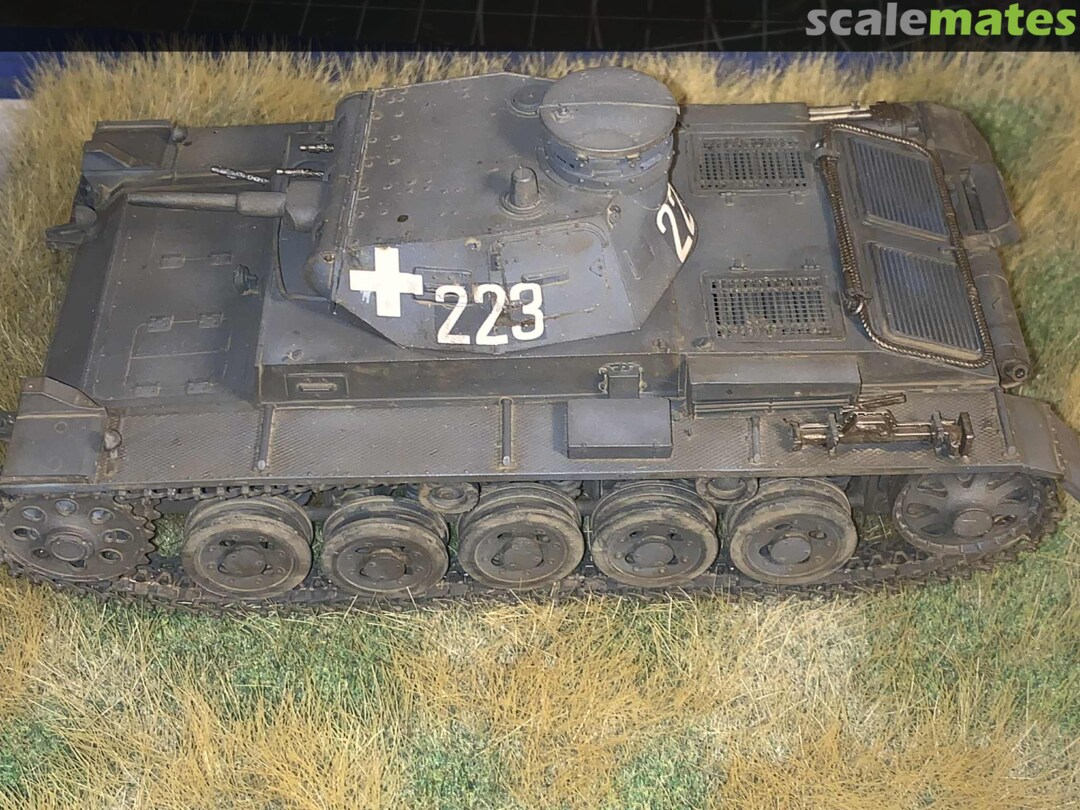
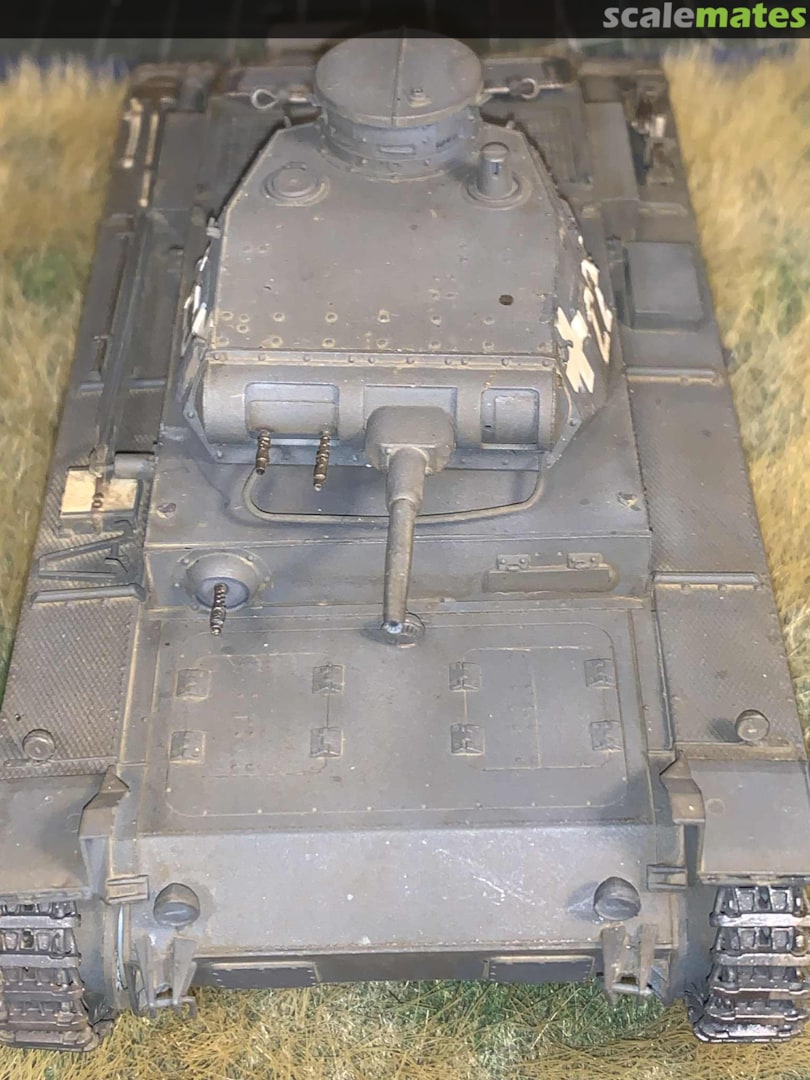
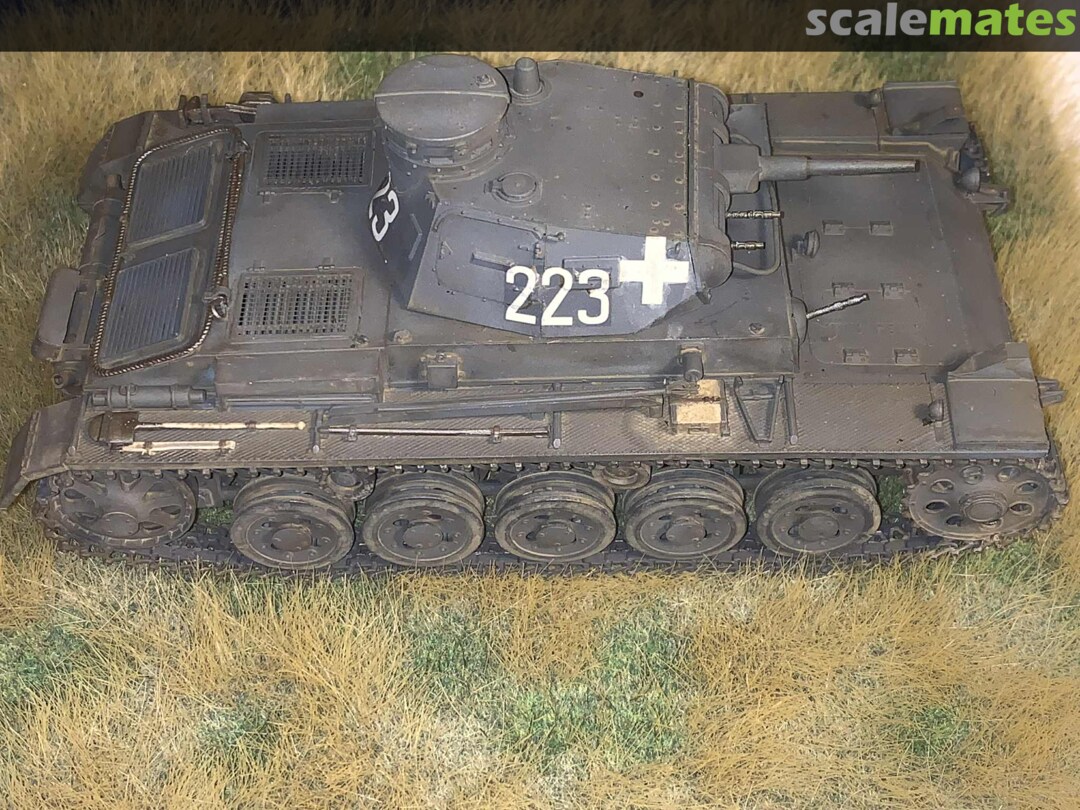
 12September 22, 2025PzKw III Ausf A, Poland, September 1939, 1st Panzer Regiment (Bronco Kit).
In general: the PzKw III was developed from 1934 requirements for a 15-ton tank armed with an armored piercing main weapon to engage enemy tanks. Prototypes by Daimler-Benz, MAN, and Henschel began trials in 1936. The PzKw III would become the main component of the Panzer Divisions until 1943 as it had become obsolete. The robust hull would continue to be mass produced as the assault gun, StuG III until 1945.
AusF A: A pilot run of the Daimler-Benz entry was ordered in 1937 amid ongoing trials. 10 Hulls were built however it is believed only 8 were fitted with turrets. These tanks are most easily identified by their 5 large road wheels per side (individually coil sprung) as opposed to the 8 small road wheels on the B, C, and D pilot runs.
Main gun was a 37 mm based on the PAK 36 AT gun although a 50 mm weapon was preferred by senior tank officers. This gun was however not yet available, but the turret could accommodate such an upgrade in armament. Auxilery armament consisted of 2 coaxial MG34 and 1 ball mount MG34 MG in the glacias plate for the radio/ co driver.
Armor was of 14 mm maximum and was proof against MG and antitank rifles of the day. This would prove to make the tank extremely vulnerable to Polish 25 mm and 37 mm AT weapons. The tank weighed 15.4 tons
The powerplant was a 250 hp petroleum engine in the rear engine compartment. This was shaft linked to transmission and final drive sprockets at the front of the tank. Maximum speed was 20 mph on roads.
Service: beginning in 1937 the PzKw III Ausf A pilots were issued to the tanks school and some Panzer Divisions (1st and 5th) for training. Combat service was limited to only a few being used in Poland (1st PD). Remaining tanks of this type were withdrawn from active service in February 1940 and used for training.
Sources: Panzerkampfwagen III at War, Tank Encyclopedia. 13September 22, 2025PzKw III Ausf A, Poland, September 1939, 1st Panzer Regiment (Bronco Kit).
In general: the PzKw III was developed from 1934 requirements for a 15-ton tank armed with an armored piercing main weapon to engage enemy tanks. Prototypes by Daimler-Benz, MAN, and Henschel began trials in 1936. The PzKw III would become the main component of the Panzer Divisions until 1943 as it had become obsolete. The robust hull would continue to be mass produced as the assault gun, StuG III until 1945.
AusF A: A pilot run of the Daimler-Benz entry was ordered in 1937 amid ongoing trials. 10 Hulls were built however it is believed only 8 were fitted with turrets. These tanks are most easily identified by their 5 large road wheels per side (individually coil sprung) as opposed to the 8 small road wheels on the B, C, and D pilot runs.
Main gun was a 37 mm based on the PAK 36 AT gun although a 50 mm weapon was preferred by senior tank officers. This gun was however not yet available, but the turret could accommodate such an upgrade in armament. Auxilery armament consisted of 2 coaxial MG34 and 1 ball mount MG34 MG in the glacias plate for the radio/ co driver.
Armor was of 14 mm maximum and was proof against MG and antitank rifles of the day. This would prove to make the tank extremely vulnerable to Polish 25 mm and 37 mm AT weapons. The tank weighed 15.4 tons
The powerplant was a 250 hp petroleum engine in the rear engine compartment. This was shaft linked to transmission and final drive sprockets at the front of the tank. Maximum speed was 20 mph on roads.
Service: beginning in 1937 the PzKw III Ausf A pilots were issued to the tanks school and some Panzer Divisions (1st and 5th) for training. Combat service was limited to only a few being used in Poland (1st PD). Remaining tanks of this type were withdrawn from active service in February 1940 and used for training.
Sources: Panzerkampfwagen III at War, Tank Encyclopedia. 14September 22, 2025PzKw III Ausf A, Poland, September 1939, 1st Panzer Regiment (Bronco Kit).
In general: the PzKw III was developed from 1934 requirements for a 15-ton tank armed with an armored piercing main weapon to engage enemy tanks. Prototypes by Daimler-Benz, MAN, and Henschel began trials in 1936. The PzKw III would become the main component of the Panzer Divisions until 1943 as it had become obsolete. The robust hull would continue to be mass produced as the assault gun, StuG III until 1945.
AusF A: A pilot run of the Daimler-Benz entry was ordered in 1937 amid ongoing trials. 10 Hulls were built however it is believed only 8 were fitted with turrets. These tanks are most easily identified by their 5 large road wheels per side (individually coil sprung) as opposed to the 8 small road wheels on the B, C, and D pilot runs.
Main gun was a 37 mm based on the PAK 36 AT gun although a 50 mm weapon was preferred by senior tank officers. This gun was however not yet available, but the turret could accommodate such an upgrade in armament. Auxilery armament consisted of 2 coaxial MG34 and 1 ball mount MG34 MG in the glacias plate for the radio/ co driver.
Armor was of 14 mm maximum and was proof against MG and antitank rifles of the day. This would prove to make the tank extremely vulnerable to Polish 25 mm and 37 mm AT weapons. The tank weighed 15.4 tons
The powerplant was a 250 hp petroleum engine in the rear engine compartment. This was shaft linked to transmission and final drive sprockets at the front of the tank. Maximum speed was 20 mph on roads.
Service: beginning in 1937 the PzKw III Ausf A pilots were issued to the tanks school and some Panzer Divisions (1st and 5th) for training. Combat service was limited to only a few being used in Poland (1st PD). Remaining tanks of this type were withdrawn from active service in February 1940 and used for training.
Sources: Panzerkampfwagen III at War, Tank Encyclopedia. 15September 22, 2025PzKw III Ausf A, Poland, September 1939, 1st Panzer Regiment (Bronco Kit).
In general: the PzKw III was developed from 1934 requirements for a 15-ton tank armed with an armored piercing main weapon to engage enemy tanks. Prototypes by Daimler-Benz, MAN, and Henschel began trials in 1936. The PzKw III would become the main component of the Panzer Divisions until 1943 as it had become obsolete. The robust hull would continue to be mass produced as the assault gun, StuG III until 1945.
AusF A: A pilot run of the Daimler-Benz entry was ordered in 1937 amid ongoing trials. 10 Hulls were built however it is believed only 8 were fitted with turrets. These tanks are most easily identified by their 5 large road wheels per side (individually coil sprung) as opposed to the 8 small road wheels on the B, C, and D pilot runs.
Main gun was a 37 mm based on the PAK 36 AT gun although a 50 mm weapon was preferred by senior tank officers. This gun was however not yet available, but the turret could accommodate such an upgrade in armament. Auxilery armament consisted of 2 coaxial MG34 and 1 ball mount MG34 MG in the glacias plate for the radio/ co driver.
Armor was of 14 mm maximum and was proof against MG and antitank rifles of the day. This would prove to make the tank extremely vulnerable to Polish 25 mm and 37 mm AT weapons. The tank weighed 15.4 tons
The powerplant was a 250 hp petroleum engine in the rear engine compartment. This was shaft linked to transmission and final drive sprockets at the front of the tank. Maximum speed was 20 mph on roads.
Service: beginning in 1937 the PzKw III Ausf A pilots were issued to the tanks school and some Panzer Divisions (1st and 5th) for training. Combat service was limited to only a few being used in Poland (1st PD). Remaining tanks of this type were withdrawn from active service in February 1940 and used for training.
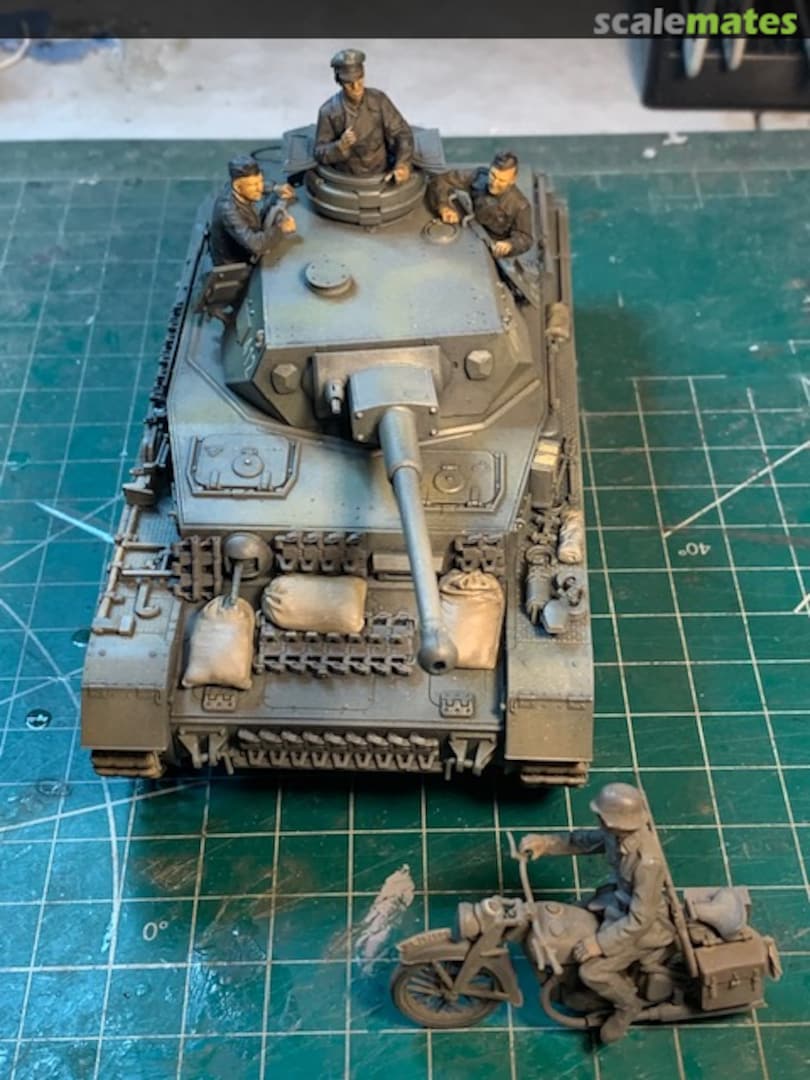
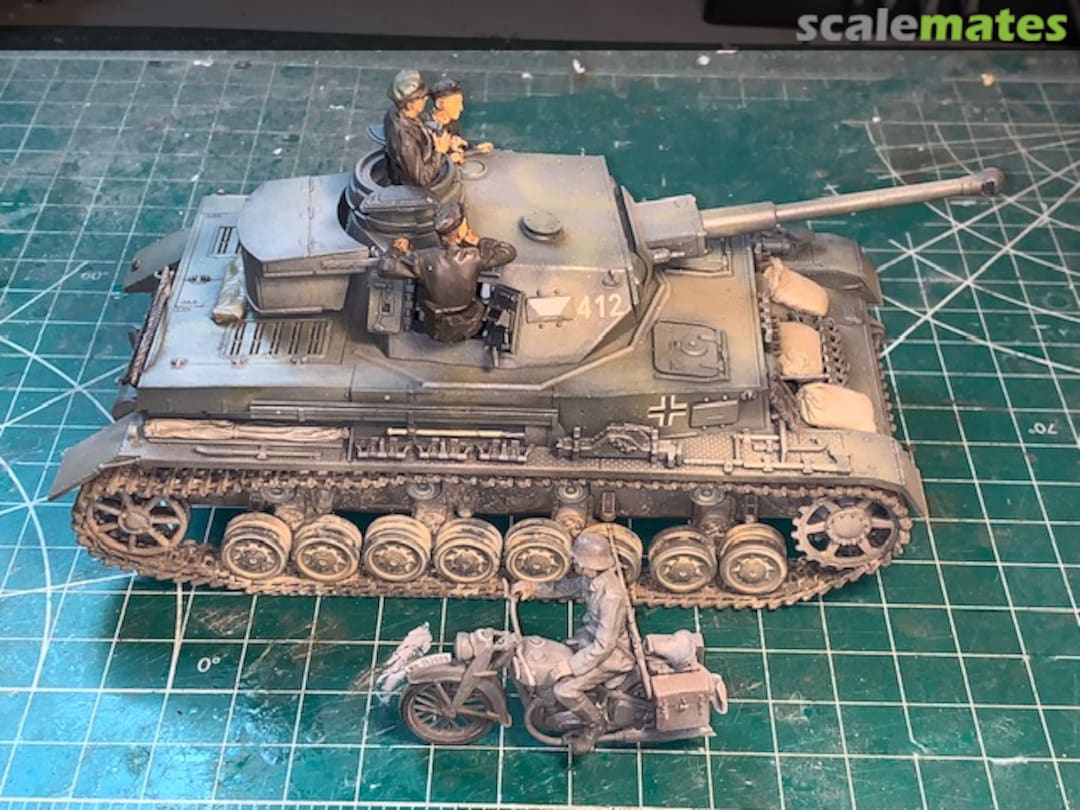
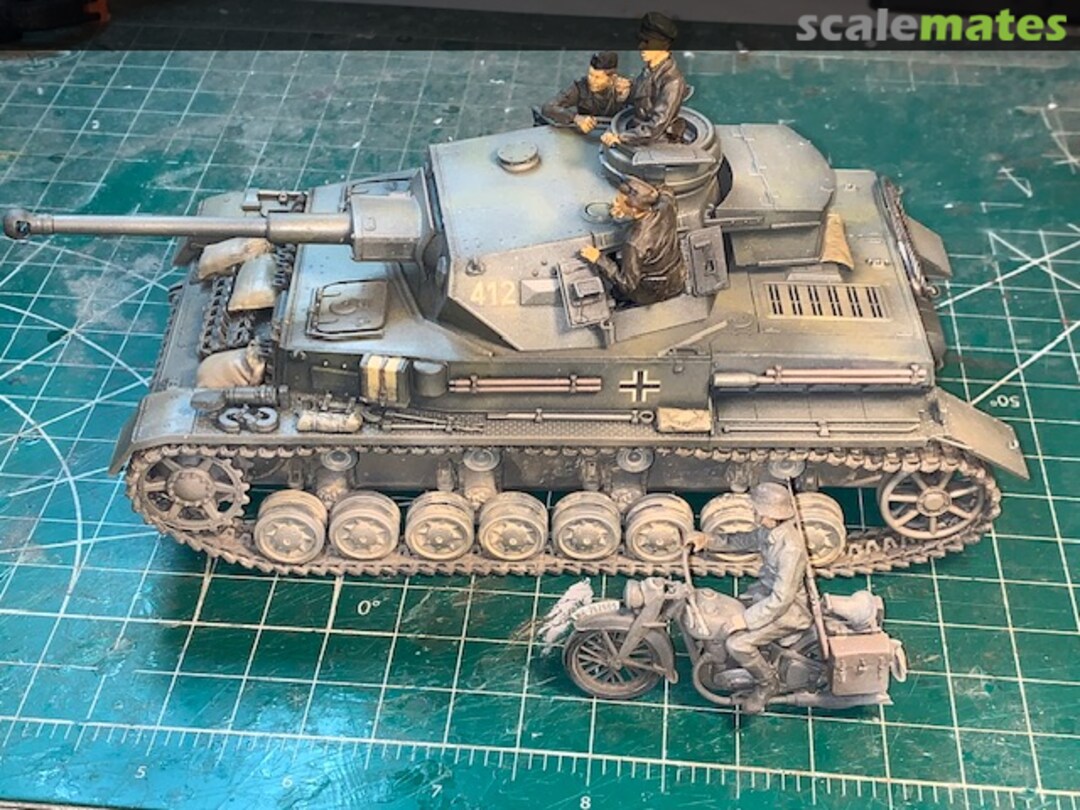
Sources: Panzerkampfwagen III at War, Tank Encyclopedia.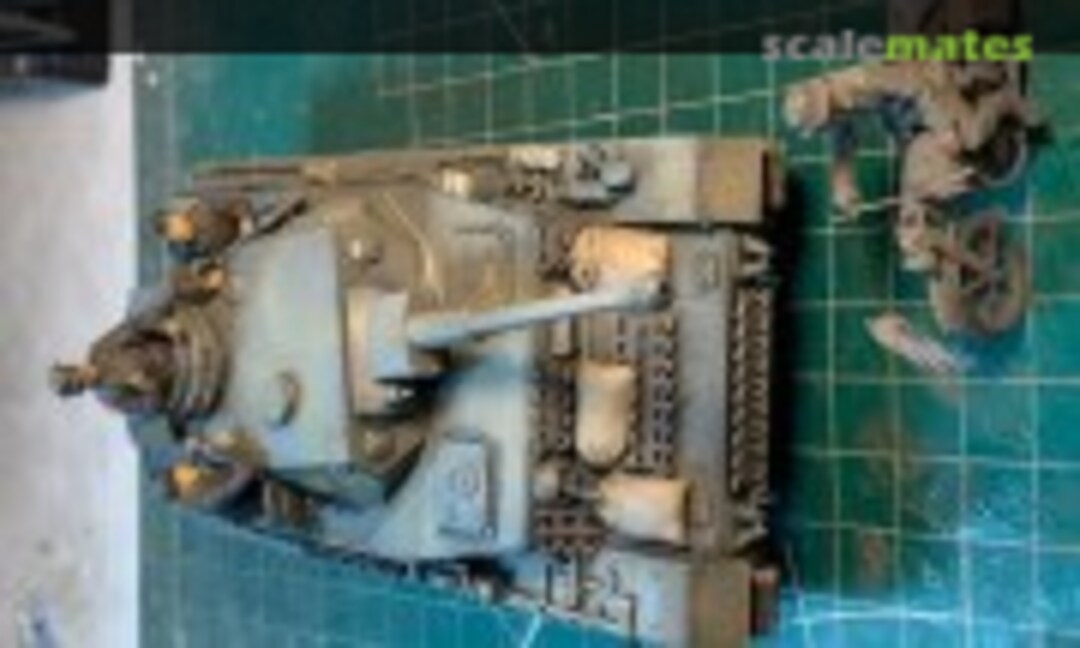 16April 8, 2025PzKw IV AusF F/2 medium tank, Southern France Summer 1942.
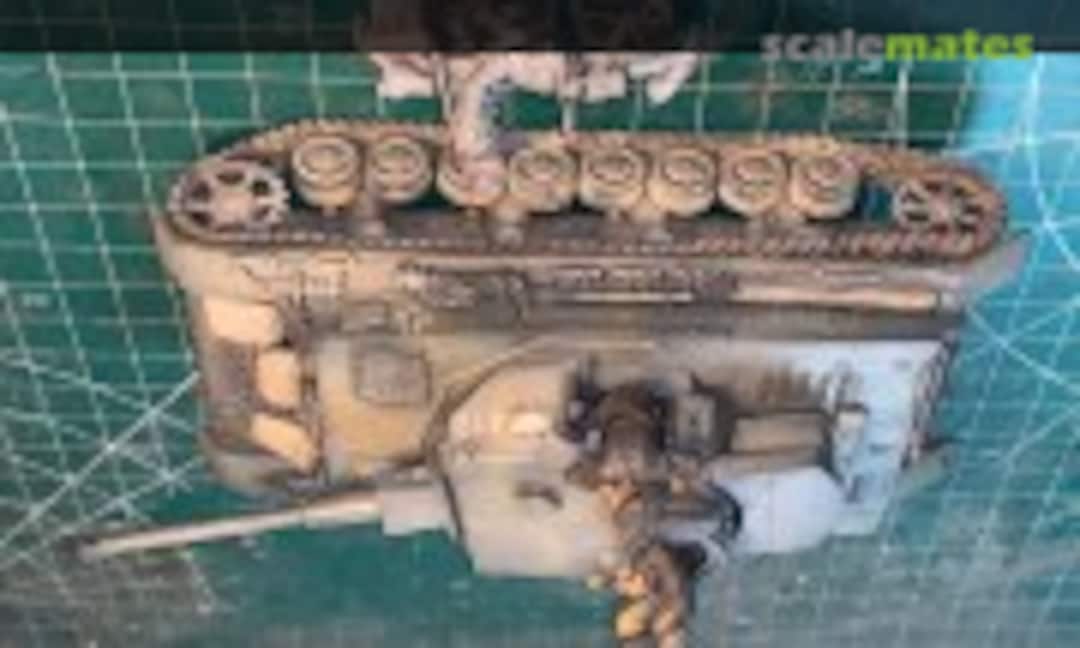 17April 8, 2025PzKw IV AusF F/2 medium tank, Southern France Summer 1942.
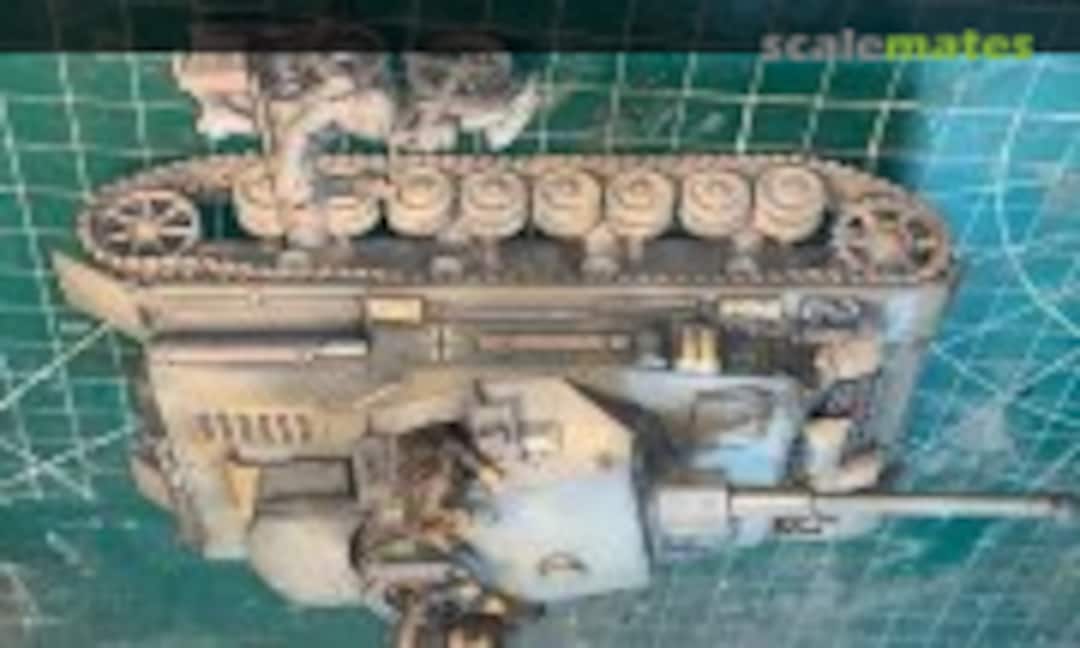 18April 8, 2025PzKw IV AusF F/2 medium tank, Southern France Summer 1942.
 19March 10, 2025PzKw I AusF F light tank, Soviet Union, Spring 1944.
This was the last of the Pzkw I series models. Despite the obvious fact that the Pzkw I models (A and B) used in Poland and France were not effective combat tanks, the German Army felt there was still a need for a light infantry assault tank. The F bore almost no resemblance to the original other than the main armament. Frontal armor was increased to 80 mm and overall weight was over 21 tons. To support this great weight interwoven road wheels and wide tracks were added. A batch of 30 tanks was produced from April 1942 to January 1943.
In March 1943, 8 Pzkw I AusF F were delivered to the 1. Panzer Division. 20March 10, 2025PzKw I AusF F light tank, Soviet Union, Spring 1944.
This was the last of the Pzkw I series models. Despite the obvious fact that the Pzkw I models (A and B) used in Poland and France were not effective combat tanks, the German Army felt there was still a need for a light infantry assault tank. The F bore almost no resemblance to the original other than the main armament. Frontal armor was increased to 80 mm and overall weight was over 21 tons. To support this great weight interwoven road wheels and wide tracks were added. A batch of 30 tanks was produced from April 1942 to January 1943.
In March 1943, 8 Pzkw I AusF F were delivered to the 1. Panzer Division. 21March 10, 2025PzKw I AusF F light tank, Soviet Union, Spring 1944.
This was the last of the Pzkw I series models. Despite the obvious fact that the Pzkw I models (A and B) used in Poland and France were not effective combat tanks, the German Army felt there was still a need for a light infantry assault tank. The F bore almost no resemblance to the original other than the main armament. Frontal armor was increased to 80 mm and overall weight was over 21 tons. To support this great weight interwoven road wheels and wide tracks were added. A batch of 30 tanks was produced from April 1942 to January 1943.
In March 1943, 8 Pzkw I AusF F were delivered to the 1. Panzer Division. 22March 10, 2025PzKw I AusF F light tank, Soviet Union, Spring 1944.
This was the last of the Pzkw I series models. Despite the obvious fact that the Pzkw I models (A and B) used in Poland and France were not effective combat tanks, the German Army felt there was still a need for a light infantry assault tank. The F bore almost no resemblance to the original other than the main armament. Frontal armor was increased to 80 mm and overall weight was over 21 tons. To support this great weight interwoven road wheels and wide tracks were added. A batch of 30 tanks was produced from April 1942 to January 1943.
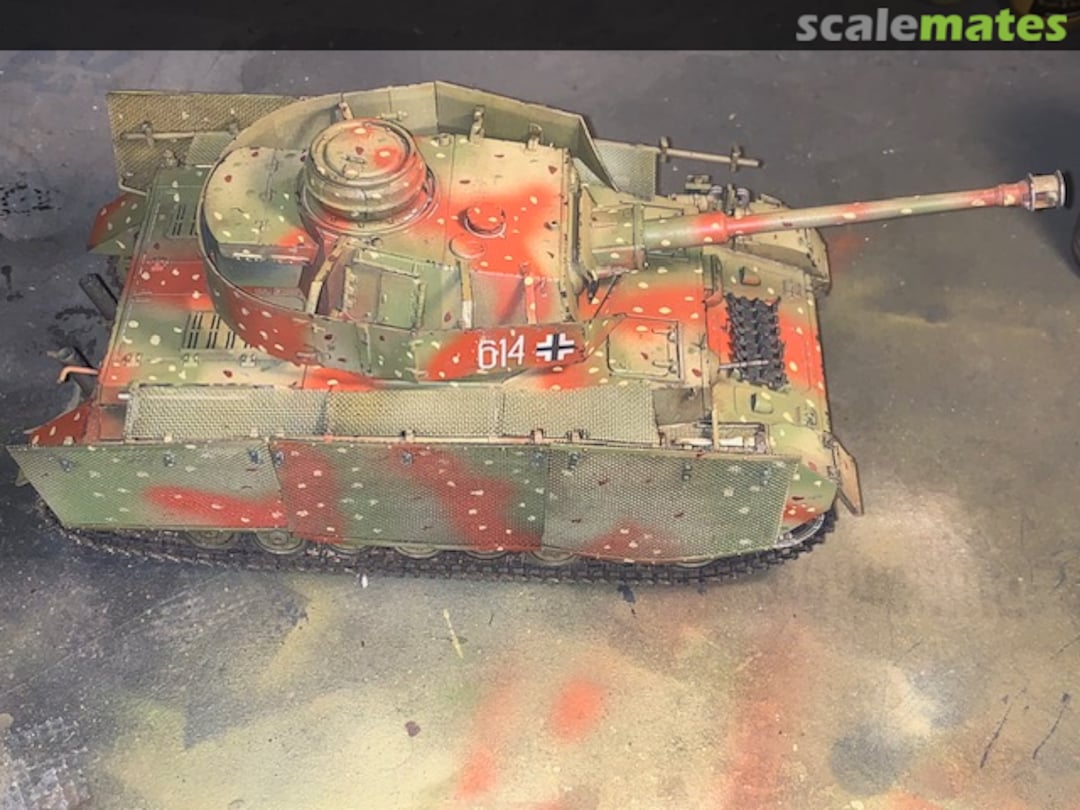
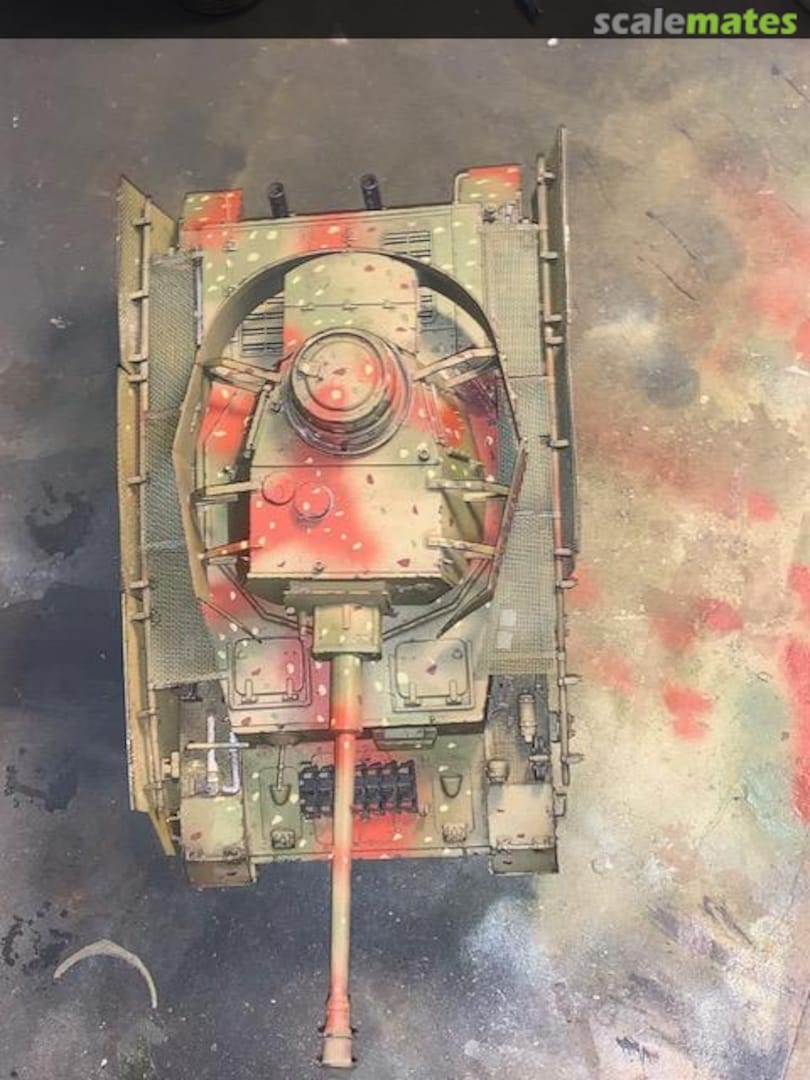
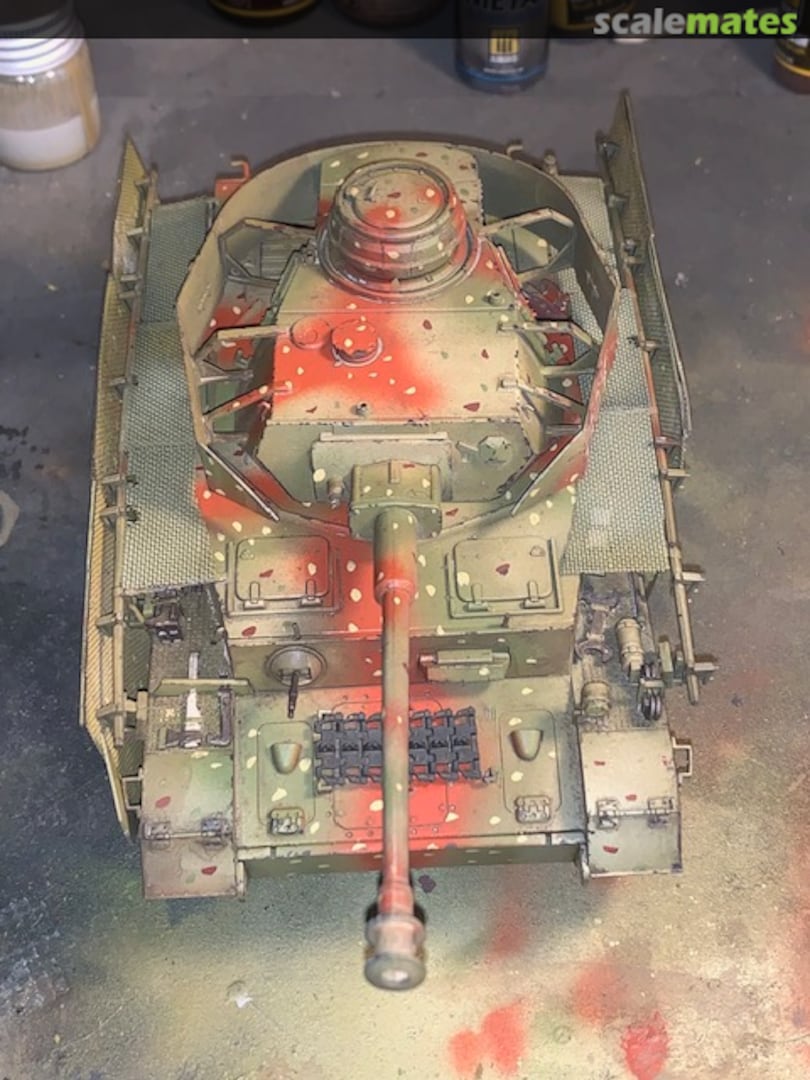
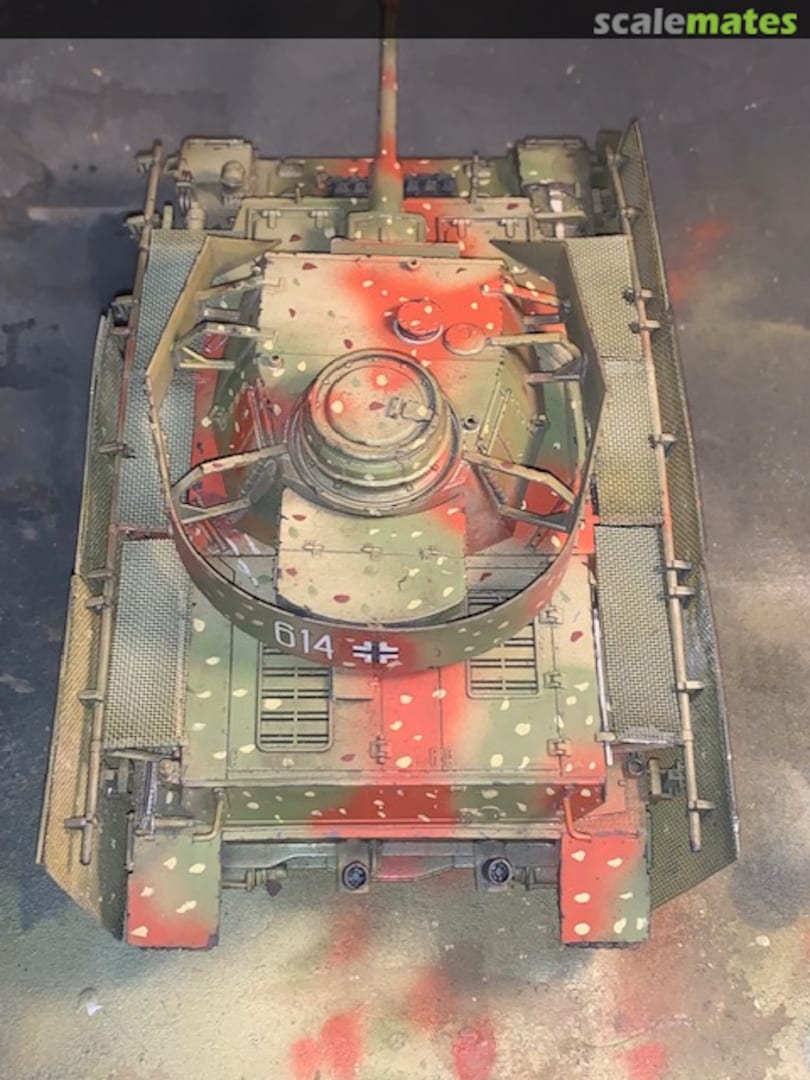
In March 1943, 8 Pzkw I AusF F were delivered to the 1. Panzer Division. 23January 31, 2025PzKw IV AusF J, Ist Panzer Regiment, Hungary, December 1944. (This is a Dragon kit I have had stashed since the 1990's)
The J model was the final production type of the PzKw IV series. The changes from the previous H model eliminated certain features and downgraded others, Power traverse for the turret was omitted and screened side skirt armor reflected the desperate state of German industry late in the war, 24January 31, 2025PzKw IV AusF J, Ist Panzer Regiment, Hungary, December 1944. (This is a Dragon kit I have had stashed since the 1990's)
The J model was the final production type of the PzKw IV series. The changes from the previous H model eliminated certain features and downgraded others, Power traverse for the turret was omitted and screened side skirt armor reflected the desperate state of German industry late in the war, 25January 31, 2025PzKw IV AusF J, Ist Panzer Regiment, Hungary, December 1944. (This is a Dragon kit I have had stashed since the 1990's)
The J model was the final production type of the PzKw IV series. The changes from the previous H model eliminated certain features and downgraded others, Power traverse for the turret was omitted and screened side skirt armor reflected the desperate state of German industry late in the war, 26January 31, 2025PzKw IV AusF J, Ist Panzer Regiment, Hungary, December 1944. (This is a Dragon kit I have had stashed since the 1990's)
The J model was the final production type of the PzKw IV series. The changes from the previous H model eliminated certain features and downgraded others, Power traverse for the turret was omitted and screened side skirt armor reflected the desperate state of German industry late in the war, 27January 31, 2025PzKw IV AusF J, Ist Panzer Regiment, Hungary, December 1944. (This is a Dragon kit I have had stashed since the 1990's)
The J model was the final production type of the PzKw IV series. The changes from the previous H model eliminated certain features and downgraded others, Power traverse for the turret was omitted and screened side skirt armor reflected the desperate state of German industry late in the war, 28November 21, 2024PzKw V (Panther) Ausf G early production, 1. Panzer Division, Lake Balaton, Hungary, February 1945. 1. Panzer Division was first issued Panther tanks in August of 1944 while reforming from the Soviet Summer Offensive in Belarus (Bagration). After fighting defensive battles in Poland in late 1944, 1. Panzer Division was sent to Hungary where it fought at Lake Balaton and the attempt to relieve Budapest in February 1945. Once again, heavy losses were incurred and the division retreated to Austria and Bavaria until VE day where they surrendered to US Forces. Kit is Tamiya (from my 1990's stash), Tamiya Panther PE and Zimmermit stickers, Verlinden TC figure. Paint and markings: I did a 3 color camo as it may have been issued in Summer of 1944. then added whitewash and weathering. Decals were from spares as the 1990's decals fell apart once placed in water.
 29November 21, 2024PzKw V (Panther) Ausf G early production, 1. Panzer Division, Lake Balaton, Hungary, February 1945. 1. Panzer Division was first issued Panther tanks in August of 1944 while reforming from the Soviet Summer Offensive in Belarus (Bagration). After fighting defensive battles in Poland in late 1944, 1. Panzer Division was sent to Hungary where it fought at Lake Balaton and the attempt to relieve Budapest in February 1945. Once again, heavy losses were incurred and the division retreated to Austria and Bavaria until VE day where they surrendered to US Forces.






Comments
9 21 November 2024, 03:38

Album info
Tanks and AFV's of the 1. Panzer Division, 1935-1945.


